

Best Practices
Take a look through our best practices blog posts to find a selection of safety advice and tips designed to improve your knowledge on how to keep workers safe. Our selection of posts include information on calibration vs bump testing, how to work in a confined space safely and different types of breathing apparatus. Ensure that you are up to date on all the latest safety information by taking a look through our safety tips below.
If you have any questions relating to our products or services, don’t hesitate to contact our dedicated sale staff on 0845 3300 447 or email our team at [email protected].

13/05/2024
Detecting Carbon Monoxide (CO)
Posted by Rhys Redrup
Introduction: What is Carbon Monoxide (CO)? Carbon monoxide (CO) is a colourless, odourless, and tasteless gas. It is produced by the incomplete combustion of carbon-containing fuels such as gasoline, natural gas, propane, coal, or wood. CO is highly toxic and can be fatal if inhaled in high concentrations. 200 ppm or greater will cause physical...
Read


08/05/2024
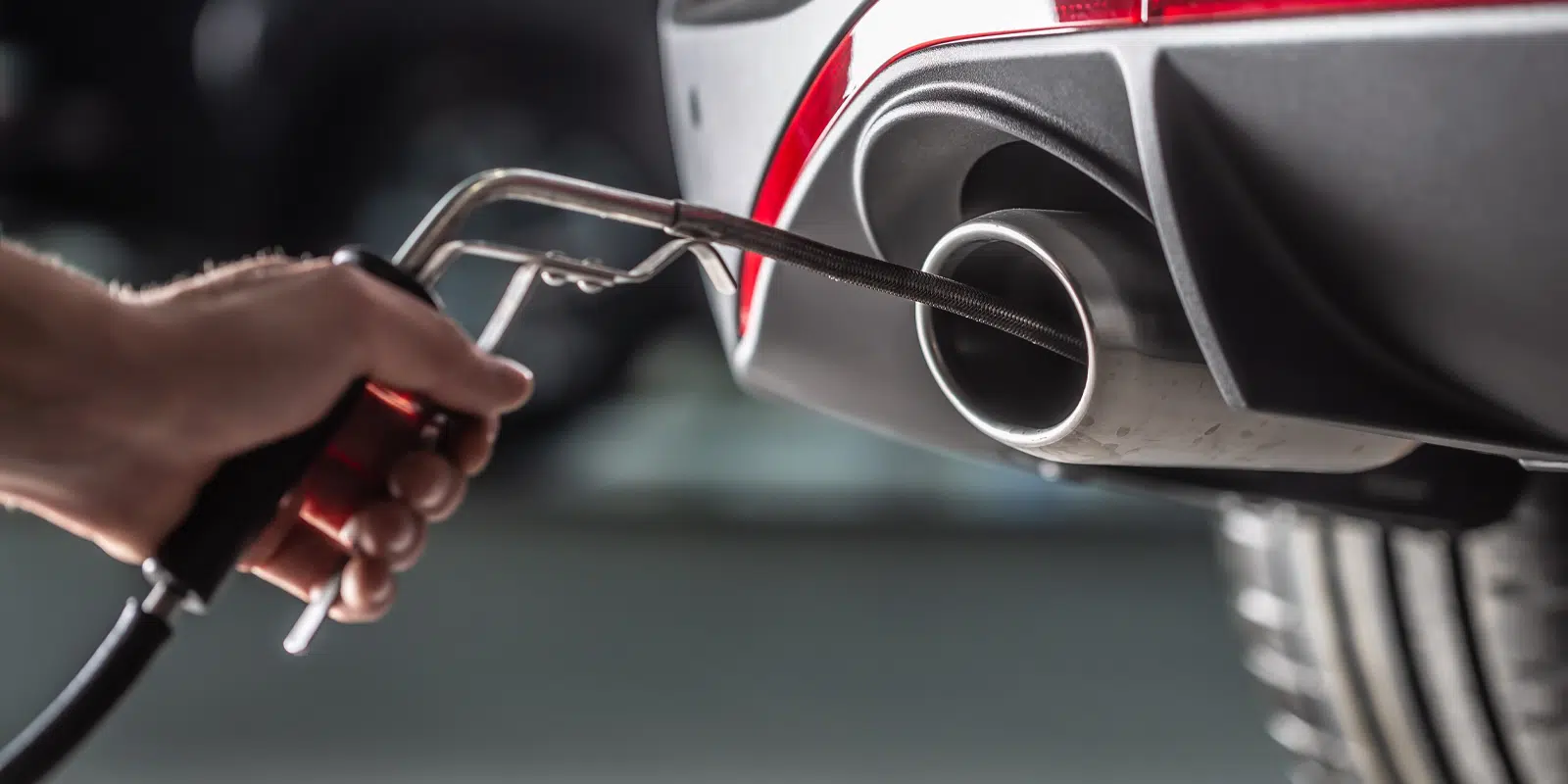
Controlling DEEE in the workplace
Posted by Emma Curthoys
What does DEEE stand for? Diesel Engine Exhaust Emissions, often abbreviated as DEEE, represent the cocktail of harmful pollutants released by diesel engines during the combustion process. It refers to the mix of harmful gases, liquids and particles that come out of a diesel engine when it burns fuel. This includes soot, smoke, and various...
Read

25/04/2024
Hydrogen – Will you be using it in the future?
Posted by Rhys Redrup
What is hydrogen? Hydrogen (H) is a colourless, odourless, tasteless, and highly flammable gaseous substance, representing the simplest member of the chemical elements. Its atom consists of a nucleus of a single proton with a positive electrical charge, which orbits an electron carrying a negative charge. In standard conditions, it exists as loosely bound hydrogen...
Read

26/03/2024
Gas Hazards in Cement Production
Posted by Rhys Redrup
Introduction For centuries, cement has played a role in shaping our cities, with its impact evident in every corner. The world requires over 4 billion tons of this material annually. The demand for it continues to increase. Cement comes from readily available materials and its manufacturing cost is fairly low. Heat and Raw Materials Making...
Read