


Understanding the Risks and Regulations
Working at height is a common but hazardous activity in many industries, including construction, maintenance, and even window cleaning. Ensuring the safety of workers in such environments is critical, and this is where the Work at Height Regulations 2005 comes into play. This blog post explores what working at height entails, the dangers associated with it, and the regulations designed to keep workers safe.
What is Working at Height?
This refers to any work carried out in a place where, if precautions were not taken, a person could fall a distance liable to cause personal injury. This includes working above ground or floor level, falling from an edge, through an opening, or even falling from ground level into an opening in the floor or a hole in the ground. It does not include slips or trips on the same level or walking up and down permanent staircases.
Work at Height Regulations 2005
To address the risks associated with this type of work, the UK government introduced the Work at Height Regulations 2005. These regulations aim to prevent death and injury caused by falls from height. Key aspects of these regulations include:
- Risk Assessment: Employers must assess the risks and take appropriate measures to mitigate those risks.
- Hierarchy of Control: The regulations establish a hierarchy for managing risks
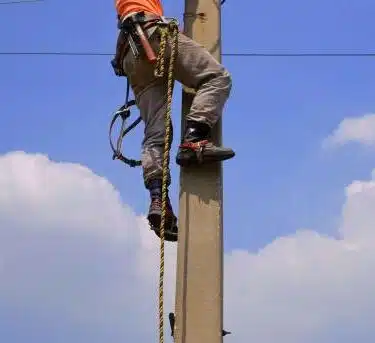
Best Practices for Working at Height
There are many ways to minimise the risks when working height; for example, plan carefully to ensure all work at height is organised and supervised accordingly. Choosing the correct tools and safety gear for the job, such as scaffolding, mobile elevated work platforms (MEWPs), or safety harnesses, is crucial in minimising the risks.
Said equipment should then be inspected before use and maintained at a proper standard. All workers should be provided with comprehensive training on safety procedures and equipment use, to avoid incorrect use and potential injury.
Last but certainly not least, using barriers and signed to prevent unauthorised access to areas below overhead work gives clean warning to workers and mitigates the potential for injury and risk.
Rockall Safety Visit RIDGEGEAR
Rockall Safety supply a wide range of equipment designed for working at height. We work with reputable brands such as RIDGEGEAR, GLOBESTOCK, and ABTECH SAFETY to make sure that our customers are receiving the best quality the market has to offer.
If you are unsure which product is best suited to your needs, give our team a call and they can assist you in making the right decision.
