

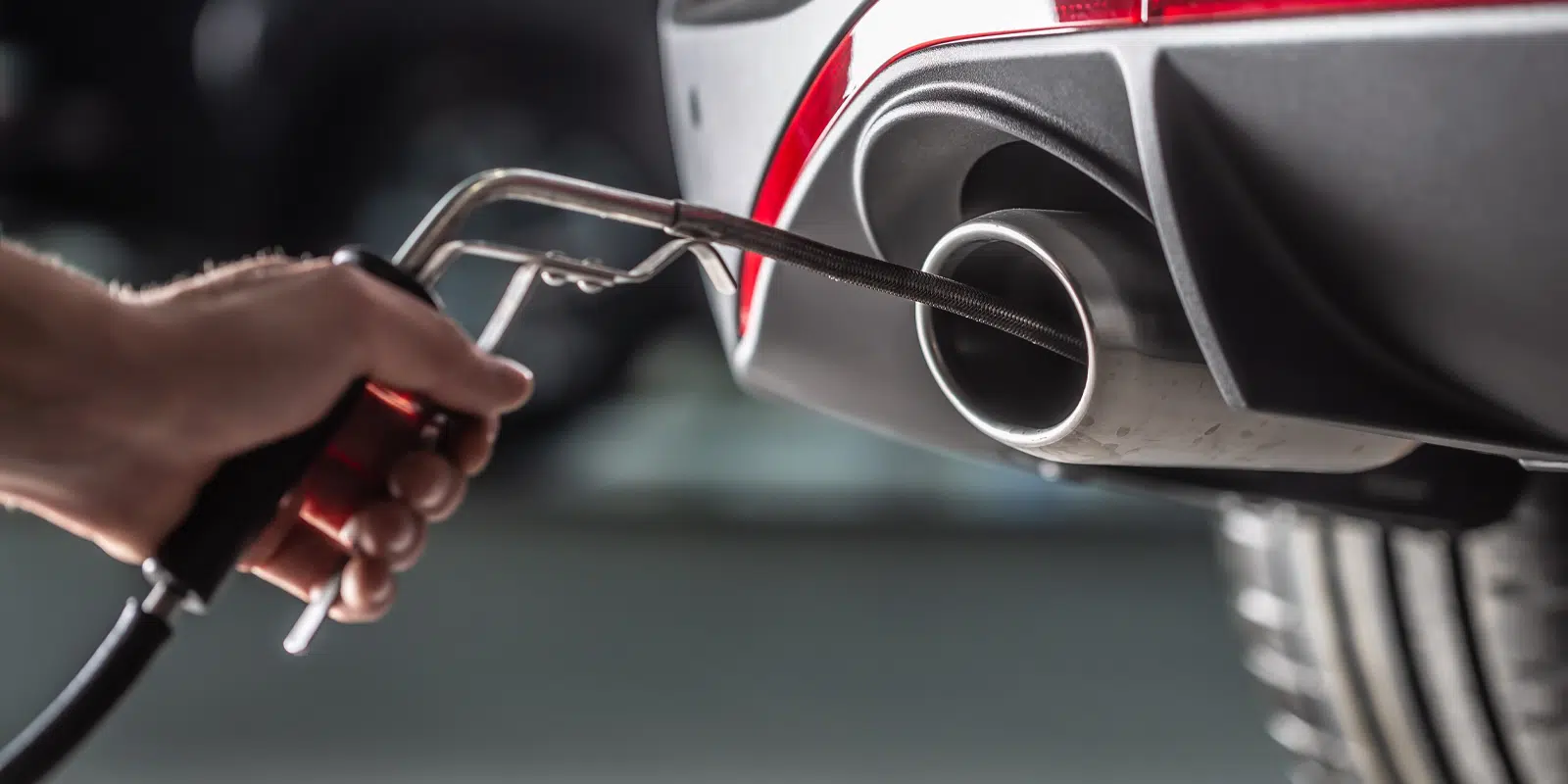
What does DEEE stand for?
Diesel Engine Exhaust Emissions, often abbreviated as DEEE, represent the cocktail of harmful pollutants released by diesel engines during the combustion process. It refers to the mix of harmful gases, liquids and particles that come out of a diesel engine when it burns fuel. This includes soot, smoke, and various chemicals.
Exposure to DEEEs can be risky, especially for people who work around diesel engines frequently. It’s important for workers and employers to know the dangers of regular exposure to DEEEs to avoid accidents and health problems.
Here’s a breakdown of the main chemical constituents of DEEEs:
- Carbon (soot)
- Water (H20)
- Carbon monoxide (CO)
- Carbon Dioxide (CO2)
- Nitrogen (N2)
- Oxides of Nitrogen (NOx)
- Oxides of Sulphur, eg Sulphur Dioxide (SO2)
- Alcohols
- Aldehydes
- Ketones
- Various Hydrocarbons (HC)
- Polycyclic Aromatic Hydrocarbons (PAHs
Workplace Safety
The makeup of DEEEs can change based on factors like the engine type, fuel, and operating conditions. However, the chemicals listed above are some of the most common and concerning constituents of DEEEs.
Most employee DEEE exposure comes from working with heavy vehicles that use diesel fuel. These vehicles will include buses, trains, trucks, tractors, and fork-lift trucks.
Exposure to DEEEs can cause health problems such as eye and respiratory irritation, coughing, and difficulty breathing. It can also lead to an increased risk of lung cancer because of cancer-causing substances like PAHs(Polycyclic aromatic hydrocarbons). These health issues may include producing more mucus and experiencing trouble breathing.
Employers must check health risks from DEEE exposure, prevent or control it, and test control measures to comply with laws. Employers must give employees information and training on health hazards and how to use control measures properly.
Control measures for DEEEs include engineering controls, practice, and administrative controls, and, as a last resort, respiratory protective equipment (RPE).
