



Introduction
Every day, over 50 million household and non-household consumers in England and Wales benefit from high-quality water, sanitation, and drainage services provided by privately-owned companies. Since the privatisation of the water and sewerage industry in 1989, a regulatory framework has ensured that consumers receive high standards of service at a fair price.
The Presence of Hazardous Gases
In wastewater treatment plants, the breakdown of organic matter in sewage and sludge can produce a variety of hazardous gases. Among these, hydrogen sulfide, methane, and carbon dioxide are particularly concerning. Hydrogen sulfide, often recognised by its characteristic “rotten egg” odour, is highly toxic even at low concentrations. Methane, while non-toxic, poses a significant explosion risk due to its flammability. Carbon dioxide, in confined spaces, can displace oxygen, leading to asphyxiation.
The formation of these gases is often exacerbated in enclosed spaces such as tanks, pipelines, and confined work areas, where ventilation may be limited. The risks are compounded by the fact that these gases can be odourless, colourless, and invisible to the naked eye, making detection by human senses unreliable.
The Role of Gas Detection Systems
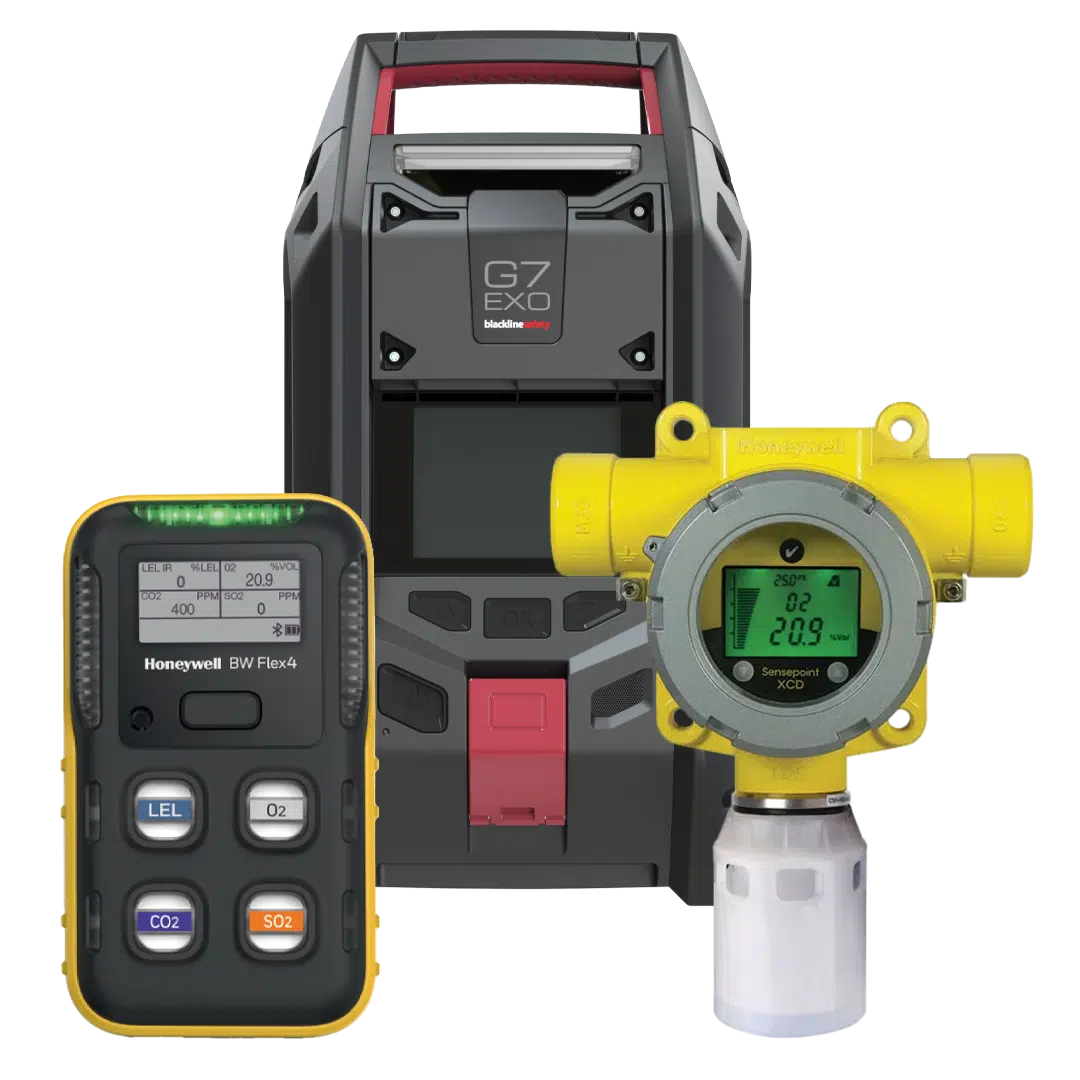
Gas detection systems serve as the first line of defence in identifying and mitigating these risks. These systems, equipped with sensors, continuously monitor the atmosphere for dangerous levels of gases and alert personnel to potential hazards. Modern gas detectors can be either fixed or portable, each serving distinct but complementary roles. Fixed detectors are strategically installed at potential leakage points, while portable detectors are worn by personnel, providing real-time data as they move through different zones.
The integration of advanced technologies like wireless communication and data logging in gas detectors has significantly enhanced safety protocols. These technologies enable the continuous monitoring of gas levels and can trigger automatic safety measures such as ventilation activation or system shutdowns in case of detected anomalies.
Legislations to be aware of…
In the UK wastewater industry, employees must be aware of several key legislations related to gas detection to ensure safety and compliance. Under the Health and Safety at Work etc. Act 1974 (HSWA), employers have a general duty to protect employees from hazards, including toxic or flammable gases. The Management of Health and Safety at Work Regulations 1999 requires risk assessments to identify potential gas hazards and implement appropriate controls. COSHH (Control of Substances Hazardous to Health) Regulations 2002 specifically addresses exposure to harmful gases such as hydrogen sulfide, ammonia, or chlorine, mandating monitoring and exposure control measures.
Many wastewater environments involve confined spaces, such as tanks or sewers, which are regulated under the Confined Spaces Regulations 1997, these regulations require pre-entry atmospheric testing, continuous gas monitoring, and appropriate alarm systems to protect workers from oxygen deficiency or dangerous gases. Equipment used for gas detection must comply with the Provision and Use of Work Equipment Regulations 1998 (PUWER), ensuring detectors are suitable, maintained, and regularly tested.
Recommended Product: Teledyne OLCT 100
The Teledyne OLCT 100 is particularly well-suited for wastewater treatment facilities due to its compact and unobtrusive design. Wastewater plants often have confined spaces, tanks, and process areas where space is limited and equipment installation can be challenging. The OLCT 100 is small, lightweight, and easy to install without obstructing maintenance access or plant operations, making it ideal for placement near aeration tanks, sludge treatment areas, or pumping stations.
It provides reliable continuous monitoring, capable of detecting flammable, toxic, or oxygen-sensitive gases. This ensures that any hazardous gas leak, such as hydrogen sulfide from sewage, methane from anaerobic digestion, or oxygen depletion in tanks or confined spaces, can be detected immediately, helping to protect staff and maintain safe operations.
For more information, click here: Teledyne OLCT 100 Fixed Gas Detector

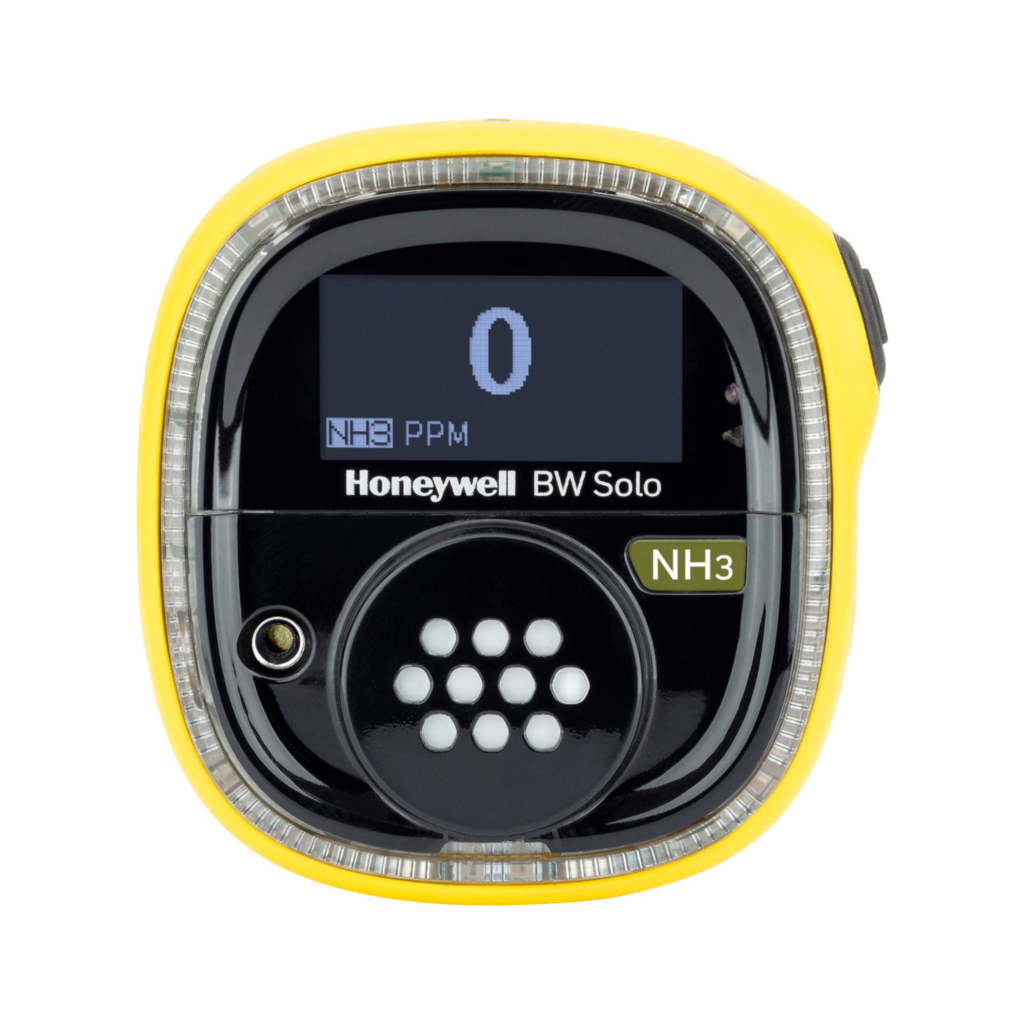
Recommended Product: Honeywell BW Solo
Wastewater treatment environments commonly present several toxic or dangerous gases, including hydrogen sulphide (H₂S), oxygen deficiency, ammonia and chlorine compounds due to biological breakdown and chemical dosing. The BW Solo range supports sensors for many of these gases, such as:
H₂S: Common around digesters, lift stations and sludge pits
O₂: To detect oxygen depletion in confined spaces
CO, NH₃, SO₂, Cl₂, CO₂: Other potential toxic gases depending on process and chemicals used
For more information, click here: BW Solo Single Gas Detector
