


23/04/2026
Top 10 reasons to choose Rockall Safety (gas detection specialists)
Posted by Rhys Redrup
Top 10 reasons to choose Rockall Safety Below are the top 10 reasons on why you should choose Rockall Safety as your gas detection provider. These are our own opinions, but if you ask one of our customers i'm sure they will agree too! See the top 10 reasons below: 1) Experts in Gas Detection...
Read


23/04/2026
Rockall Safety About Us
Posted by Rhys Redrup
Who are Rockall Safety? Rockall Safety is a UK based, family run safety equipment specialist founded in 1995. With over 200 years of combined gas detection expertise within the team, the company has grown into one of the UK’s leading providers of gas detection and safety solutions. Rockall Safety is the UK’s largest reseller of...
Read
23/04/2026
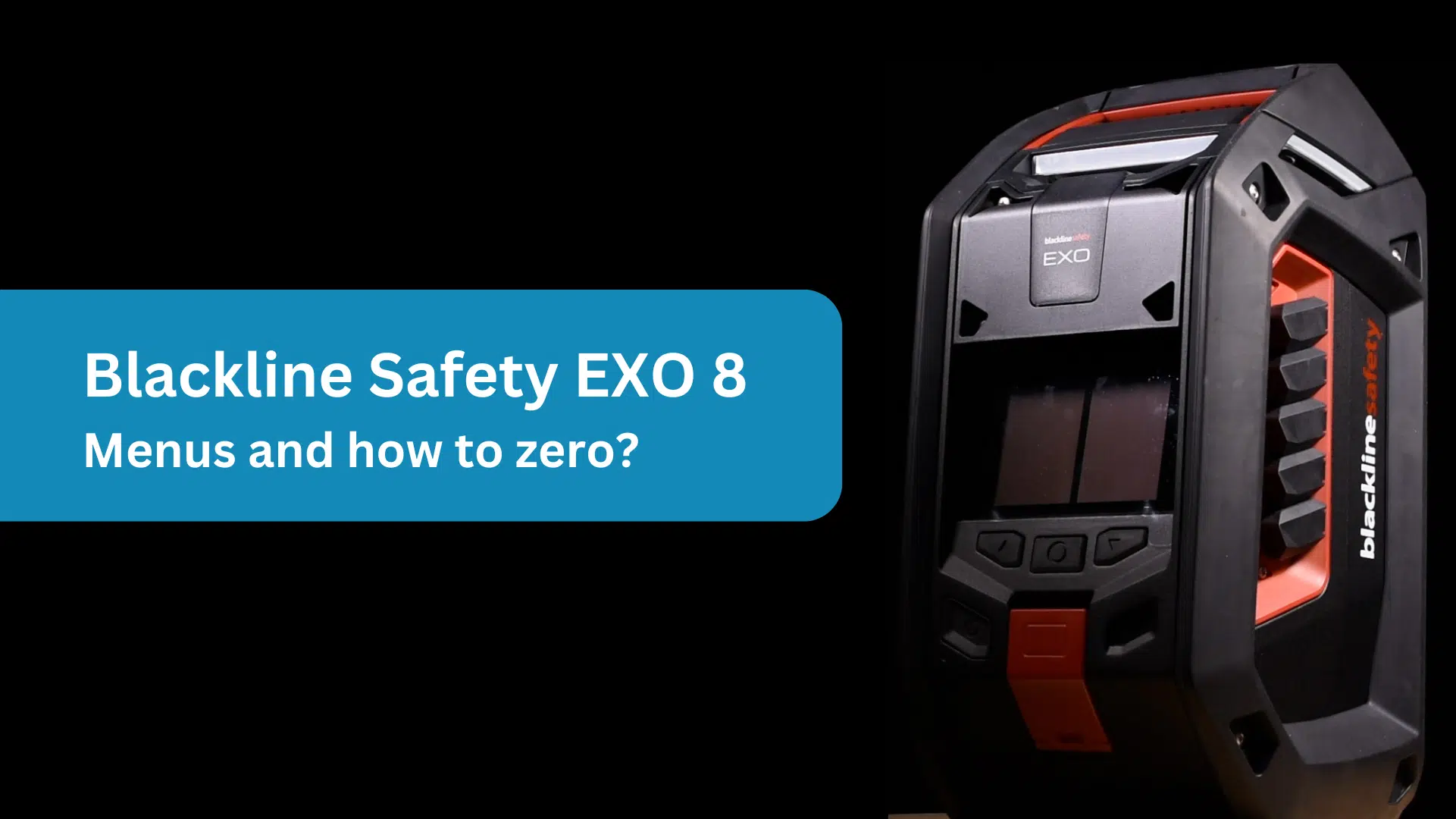
Blackline Safety EXO 8 area monitor – menus and how to zero?
Posted by Rhys Redrup
Blackline Safety EXO 8 area monitor - Introduction This video shows you how to use the menu and zero the sensors on the Blackline Safety EXO 8. We also have other videos available, including a “what you need to know” overview of its key features and benefits, as well as an 'unboxing' video. Controls and...
Read

22/04/2026
Top 5 key features & benefits of the Drager PAC 8000
Posted by Rhys Redrup
Introduction to the Drager PAC 8000 The Dräger Pac® 8000 is a robust, reusable personal single gas detector. It provides accurate detection of hazardous gas concentrations across 29 different gases, including critical substances such as nitrogen dioxide (NO₂), ozone (O₃), and phosgene (COCl₂). The device can be fitted with a wide range of sensors, including...
Read