


What is Nitrogen Dioxide (NO2)?
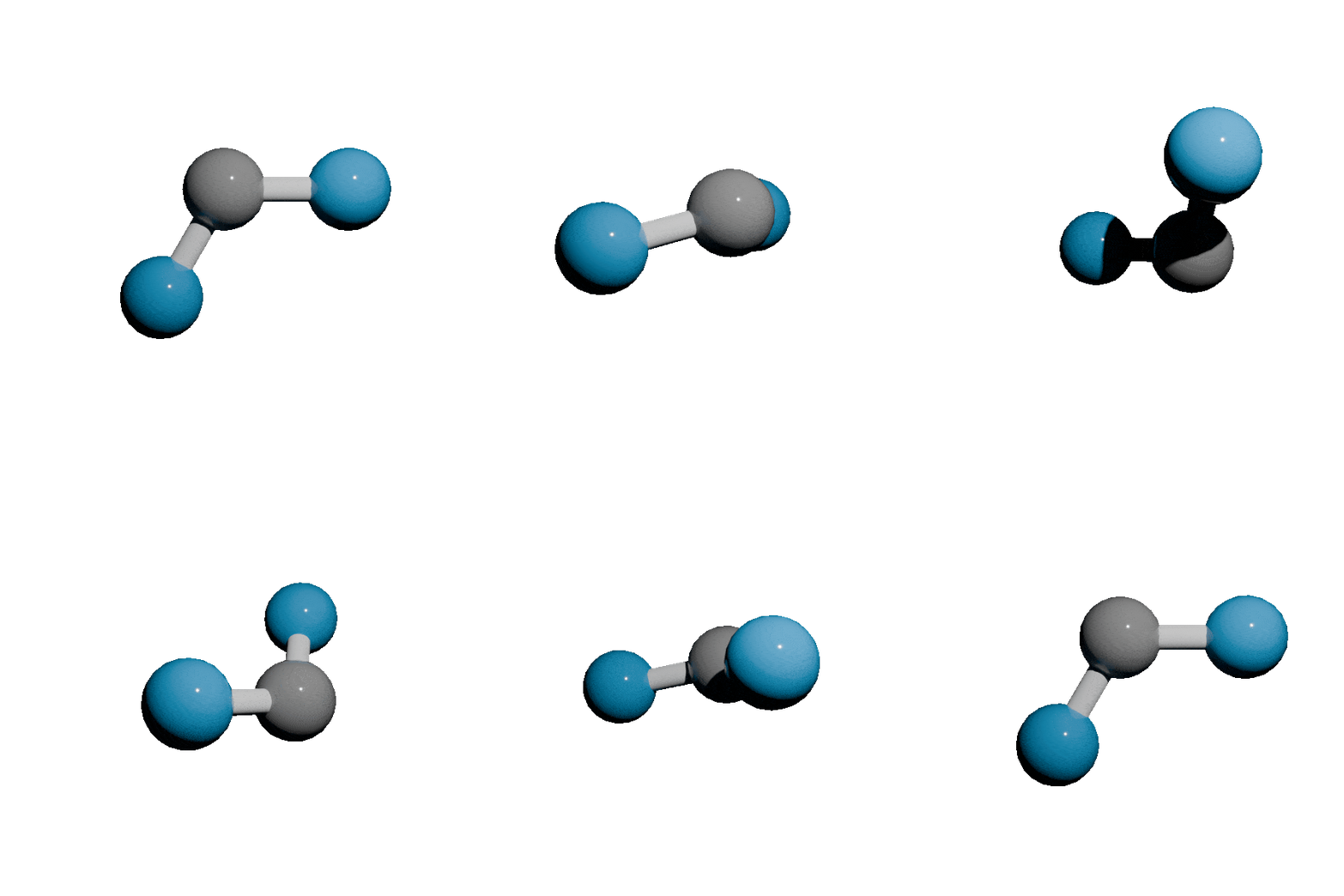
Nitrogen dioxide (NO₂) is a highly reactive, reddish-brown gas formed primarily through the combustion of fossil fuels, particularly in vehicles, power generation, and industrial processes. As a significant member of the nitrogen oxides (NOₓ) group, it plays a central role in atmospheric chemistry, contributing to the formation of ground-level ozone, particulate matter, and acid rain.
NO₂ is both an environmental pollutant and a respiratory irritant; even at relatively low concentrations, it can impair lung function, exacerbate asthma, and increase susceptibility to respiratory infections. Its presence indoors (often from gas appliances) can also pose health risks.
Where is Nitrogen Dioxide (NO2) found?
Nitrogen dioxide (NO₂) is found predominantly in environments where high-temperature combustion occurs, making urban and industrial areas its most common sources. Outdoor concentrations are typically highest near busy roads, power stations, and manufacturing facilities that burn fossil fuels. Indoors, NO₂ can accumulate from gas-powered appliances such as cookers, heaters, and boilers, particularly in poorly ventilated spaces.
It also occurs naturally in small quantities through biological processes in soil and the atmospheric oxidation of nitric oxide (NO). Additionally, lightning strikes and wildfires contribute to natural NO₂ formation, though these sources are minor compared with anthropogenic emissions.
Health Risks Relating to Nitrogen Dioxide (NO2)
Nitrogen dioxide (NO₂) poses a range of health risks due to its ability to irritate and inflame the respiratory system, even at relatively low concentrations. Short-term exposure can lead to symptoms such as coughing, wheezing, and shortness of breath, and may trigger asthma attacks in susceptible individuals. Prolonged or repeated exposure is associated with a decline in lung function, increased airway inflammation, and a heightened risk of developing chronic respiratory conditions.
Children, the elderly, and those with pre-existing respiratory illnesses are particularly vulnerable. NO₂ also increases the body’s susceptibility to respiratory infections by impairing the natural defences of the lungs. In occupational or high-exposure settings, elevated concentrations can result in more severe effects, including pulmonary oedema and long-term damage to lung tissue.
Drager PAC 8000 (NO2)
The Dräger Pac 8000 (NO₂) is a compact, robust single-gas detector designed to provide continuous, reliable monitoring of nitrogen dioxide in a wide range of industrial environments. Once in operation, the device displays real-time NO₂ concentrations and issues clear audible, visual, and vibrating alarms when hazardous levels are detected, ensuring workers receive immediate warning of potential exposure.
Its durable housing, long service life, and ease of use make it particularly suitable for demanding applications such as wastewater treatment, manufacturing, and confined space work.
For more information, click here: Dräger PAC 8000 Single Gas Detector | Rockall Safety

