Gas Detection

Gas detection is a vital safety solution when working in potentially hazardous environments with a risk of toxic gases in the atmosphere. Here at Rockall, we have a generous variety of different devices available, which can be used to detect explosive atmospheres, oxygen deficiency, and toxic gases in the immediate working space.

Take a look at our gas detection safety news and advice for all the information you need regarding what applications gas detectors are needed for.

Specialising in a wide range of resources that are designed to minimise health and safety risks other than gas detectors, we also provide breathing equipment, fall arrest systems and confined space rescue tools that you can rely on through your day to day operations.

If you have any questions relating to our products or services, don’t hesitate to contact our dedicated sale staff on 0845 3300 447 or email our team at [email protected].
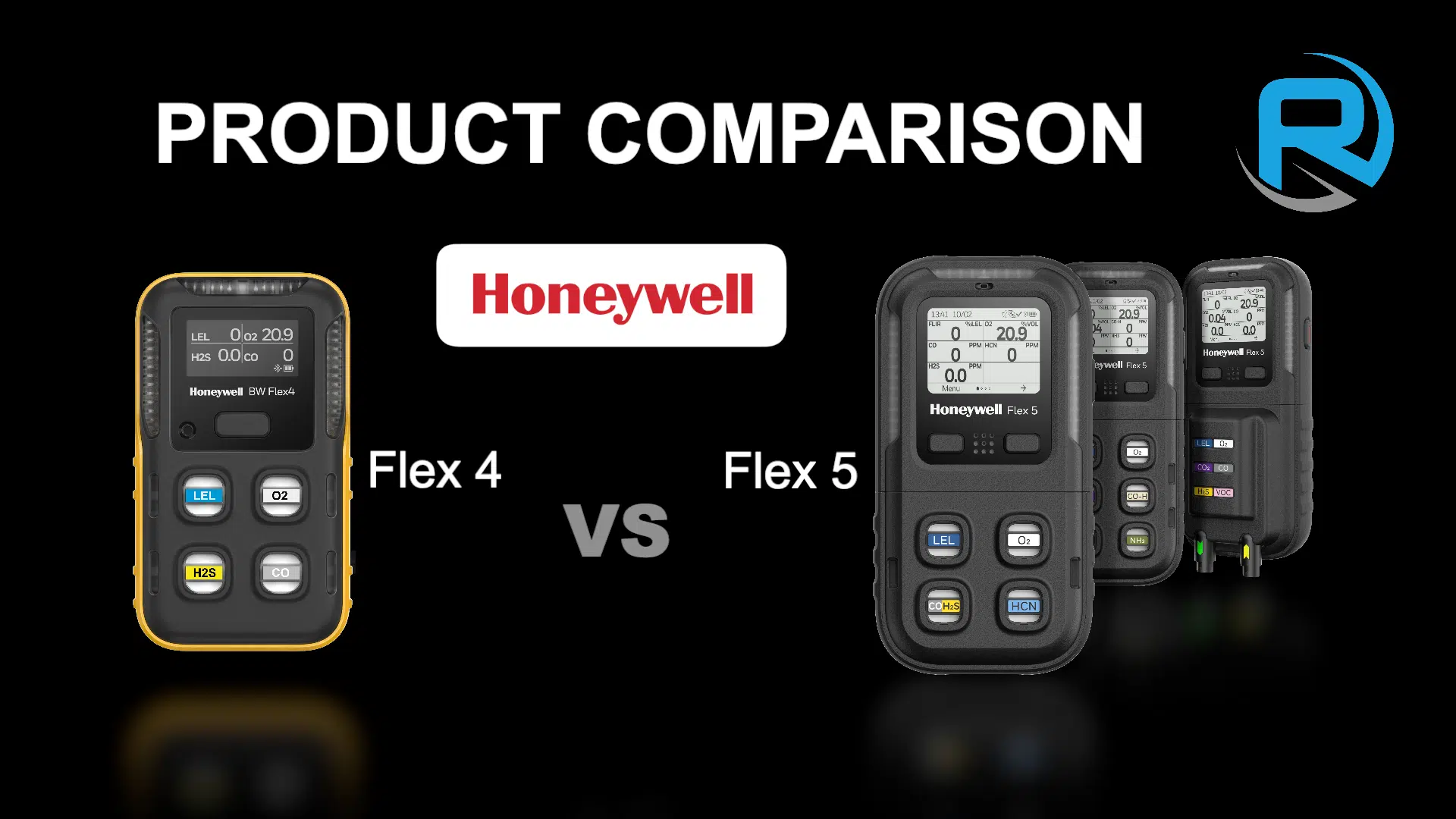
Thumbnail - Flex 4 vs Flex 5
18/06/2026

What is the difference between the Flex 4 & the Flex 5?

Posted by Rhys Redrup
What are Honeywell BW Flex gas detectors? BW Flex 4 The Honeywell BWâ„¢ Flex is a versatile multi-gas detector designed to protect workers and first responders in demanding industries such as steel, wastewater, and paper production. It can monitor up to four gas hazards at the same time using a choice of more than 15...
Blackline Safety product comparison
16/06/2026

Comparing the Blackline Safety Product Range

Posted by Rhys Redrup
Introduction Blackline Safety sell three portable gas detectors. These include the Blackline Safety G6 which is a single gas detector, capable of only detecting one specific gas. You then have the Blackline Safety G7 which is capable of detecting up to 5 gases (it has 4 sensor ports but can allow a dual sensor). Lastly...
Carbon Capture, Utilisation & Storage with MSA Safety
16/06/2026

Carbon Capture, Utilisation & Storage with MSA Safety

Posted by Rhys Redrup
How does carbon capture, utilisation and storage work? The image to the left shows the process of carbon capture from start to finish. Source Capture Compression Transportation Utilisation Storage 1) Source For CCUS, carbon is captured from a variety of emission sources, including: Atmosphere: capturing COâ‚‚ directly from the air Power plants: natural gas, coal,...
Detecting Liquefied Petroleum Gas (LPG)
05/06/2026

Detecting Liquefied Petroleum Gas (LPG)

Posted by Rhys Redrup
What is LPG (Liquefied Petroleum Gas)? LPG (Liquefied Petroleum Gas) is a fuel produced during the processing of natural gas liquids and the refining of crude oil. Once considered a by-product that was often flared or wasted, LPG is now recognised worldwide as a versatile low carbon energy source. While LPG naturally exists as a...