What is LPG (Liquefied Petroleum Gas)?
LPG (Liquefied Petroleum Gas) is a fuel produced during the processing of natural gas liquids and the refining of crude oil. Once considered a by-product that was often flared or wasted, LPG is now recognised worldwide as a versatile low carbon energy source.
While LPG naturally exists as a gas, it can be converted into a liquid under pressure or when cooled, making it easy to store and transport in bulk tanks or portable cylinders. This unique characteristic allows LPG to provide a reliable source of energy in a wide range of locations and applications.
As one of the cleanest burning fossil fuels, LPG offers a safe and flexible energy solution that can be used in thousands of domestic, commercial and industrial applications.
Where does LPG come from?
LPG is primarily made up of propane and butane, both of which are naturally occurring gases. Most LPG is recovered during the extraction and processing of natural gas and crude oil, while the remainder is produced as a by-product of oil refining or derived from renewable feedstocks and waste based oils.
Today, LPG is sourced from a variety of locations around the world, helping to ensure a reliable and diverse supply. By capturing and utilising these gases, LPG provides an efficient energy source that might otherwise be wasted.
Health risks associated with LPG?
While LPG is a widely used and efficient energy source, it can present significant safety risks if not handled correctly. LPG is highly flammable and can form explosive mixtures when released into the air. As it is stored under pressure, containers exposed to excessive heat may rupture or explode. LPG is also classified as an asphyxiant gas. In confined or poorly ventilated areas, a large LPG leak can displace oxygen in the surrounding atmosphere.
Exposure to high concentrations of LPG vapour can cause symptoms such as headaches, drowsiness, dizziness, nausea, and irritation of the respiratory system. In extreme cases, prolonged exposure to oxygen-deficient environments may lead to serious health consequences.
Recommended gas detectors
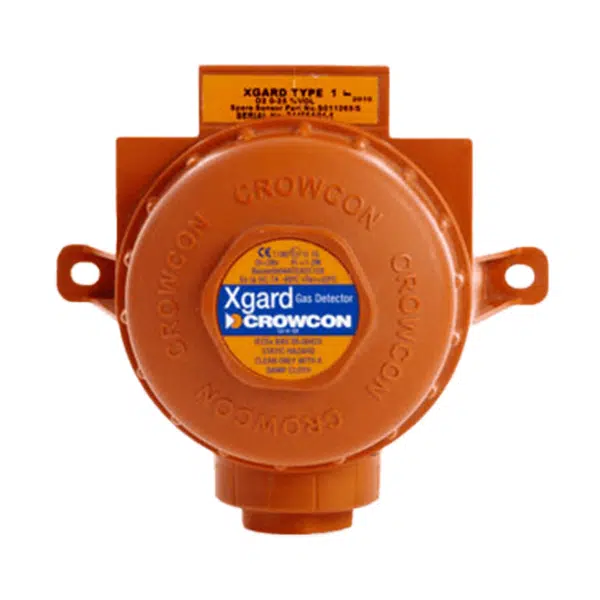
Crowcon Xgard Fixed Gas Detector
Xgard offers a choice of three sensor technologies, allowing you to select the most suitable solution for your site’s requirements. Available in flameproof, intrinsically safe, and safe area formats, the Xgard range can be deployed across virtually any environment, regardless of hazardous area classification.
Designed to meet the demands of a wide range of industries, the Xgard series provides reliable fixed-point detection for flammable and toxic gases, as well as oxygen monitoring. For LPG applications, Xgard can be fitted with catalytic or infrared flammable gas sensors calibrated for propane. As LPG is typically composed of propane, butane, or a mixture of both, propane calibration provides effective detection of LPG leaks and enables accurate monitoring of gas concentrations as a percentage of the Lower Explosive Limit (LEL).
For more information, click here: Crowcon Xgard Fixed Gas Detector | Rockall Safety