

What is Parts Per Million (ppm)?
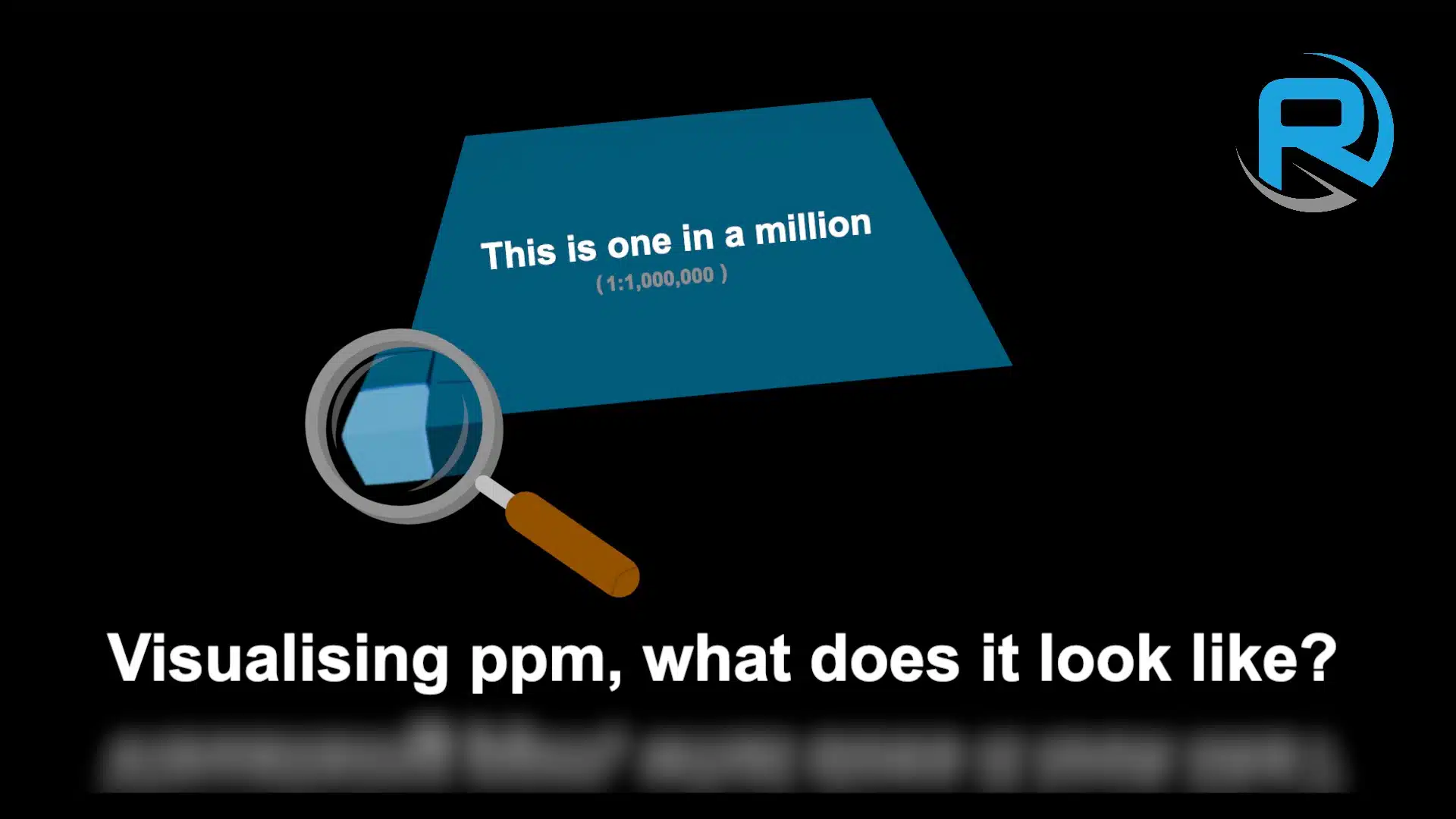
Parts per million (ppm) is a unit used to measure very low concentrations of a gas in the air. It represents one part of a gas for every one million parts of air. For example, a reading of 50 ppm carbon monoxide (CO) means that for every one million parts of air, 50 parts are carbon monoxide. Gas detectors commonly display concentrations in ppm when measuring toxic gases such as carbon monoxide (CO), hydrogen sulphide (H₂S), sulphur dioxide (SO₂), and ammonia (NH₃).

What gas groups use ‘ppm’ as a measurement?
When detecting toxic gases ‘ppm’ is typically used. Toxic gases include: Carbon Monoxide (CO), Hydrogen Sulphide (H₂S), Sulphur Dioxide (SO₂), Nitrogen Dioxide (NO₂), Chlorine (Cl₂), Ammonia (NH₃), Hydrogen Cyanide (HCN), Nitric Oxide (NO), Phosphine (PH₃) and Ozone (O₃).
As well as toxic gases, PID sensors use ‘ppm’ to measure a range of VOCs including: Benzene, Toluene, Xylene, Formaldehyde, Ethanol, Acetone. Sometimes, they measure down to ‘ppb’ levels which is Parts Per Billion rather than Parts Per Million.
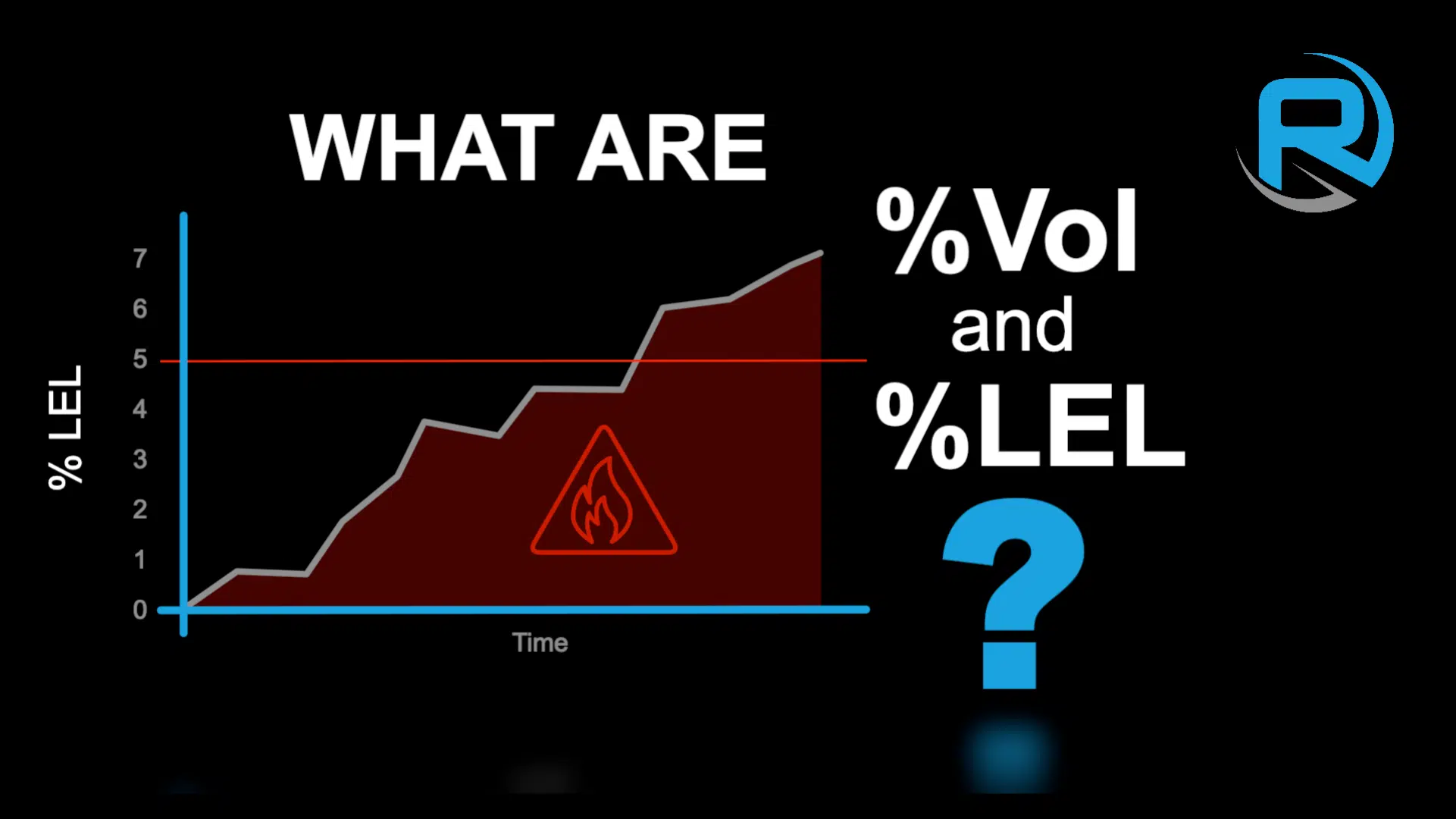
Flammable gases typically use %LEL to alert them of dangerous levels of gas. Oxygen and high concentration gases such as Carbon Dioxide (CO₂), Nitrogen (N₂), Helium (He) & Argon (Ar) use %Vol.
