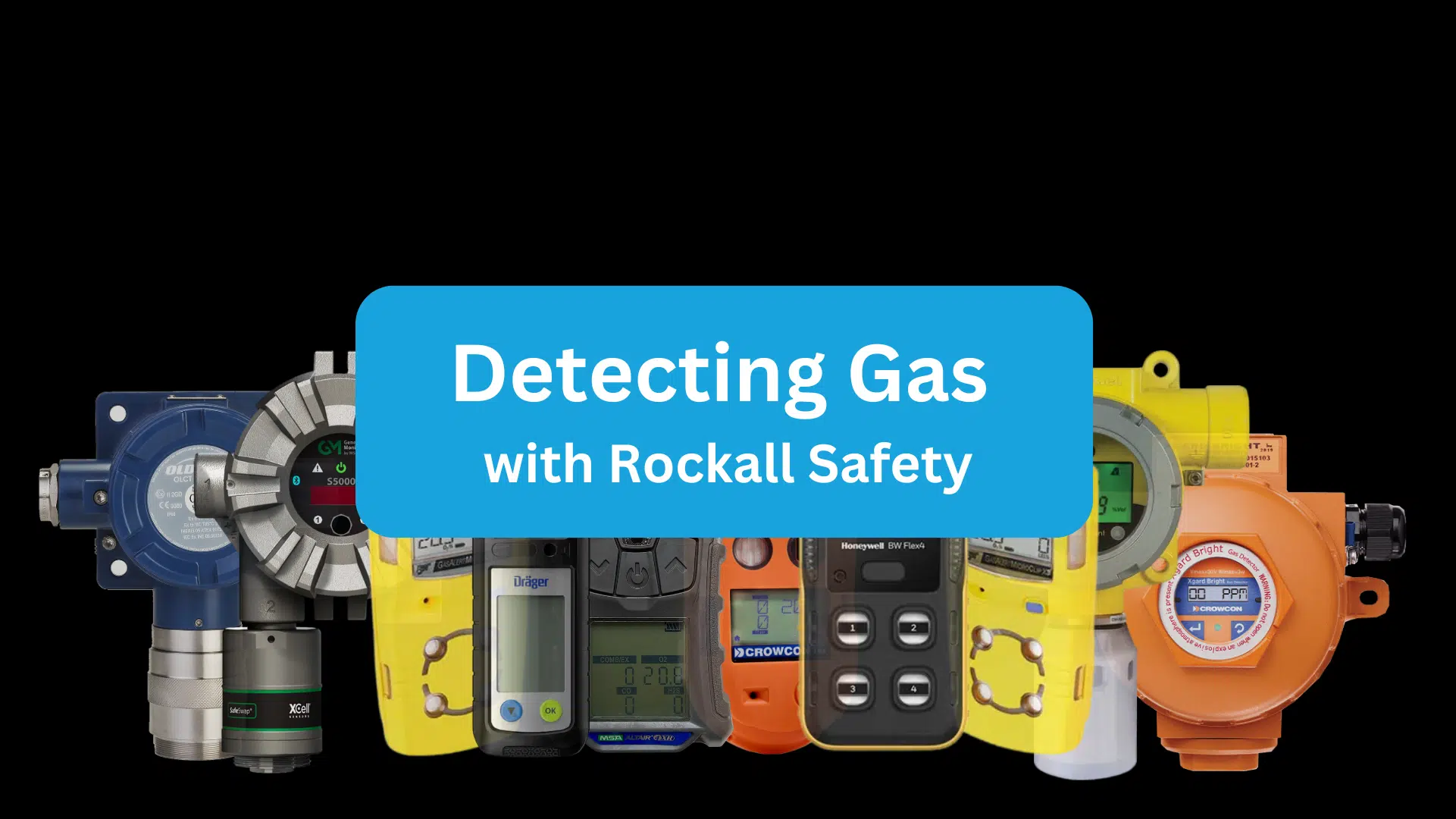
Detecting gas in your workplace
What gas do you need to monitor?
Identifying the specific gases present in your workplace is the first step in selecting the most appropriate gas detector. The type of gas you need to monitor will directly influence not only the equipment you choose but also the sensor technology required.
Different working environments present different hazards. For example, confined spaces may expose workers to oxygen deficiency or toxic gases such as hydrogen sulphide (H₂S) or carbon monoxide (CO), while industrial processes may introduce flammable gases like methane (CH₄) or volatile organic compounds (VOCs). Conducting a thorough risk assessment as recommended by the Health and Safety Executive (HSE), will help determine which gases are likely to be present and at what concentrations they may pose a risk.
It is important to recognise that not all gas detectors are designed to monitor multiple hazards. Single gas detectors are suitable for environments where only one specific gas presents a risk. On the other hand, multi-gas detectors simultaneous monitor several gases. It is equally important to understand that different gases require different sensor technologies. Electrochemical sensors are typically used for detecting toxic gases, catalytic bead sensors are commonly used for flammable gases, and infrared sensors may be preferred for certain hydrocarbons or carbon dioxide detection.
What type of gas detector is best suited to your needs?
Selecting the right gas detector begins with a clear understanding of the specific hazards present in your workplace. Outlining the gases you want to detect will determine both the type of detector and the sensor technology required.
Once the target gases have been identified, the next consideration is whether a single gas or multi gas detector is most appropriate. Single gas detectors are typically used in environments where only one hazard is present. In many workplaces multiple gas risks may exist simultaneously. In these cases, a multi gas detector is a more suitable choice.
After determining the type of detector required, it is important to consider how the device will be used in practice. This leads to the decision between portable and fixed gas detection systems.
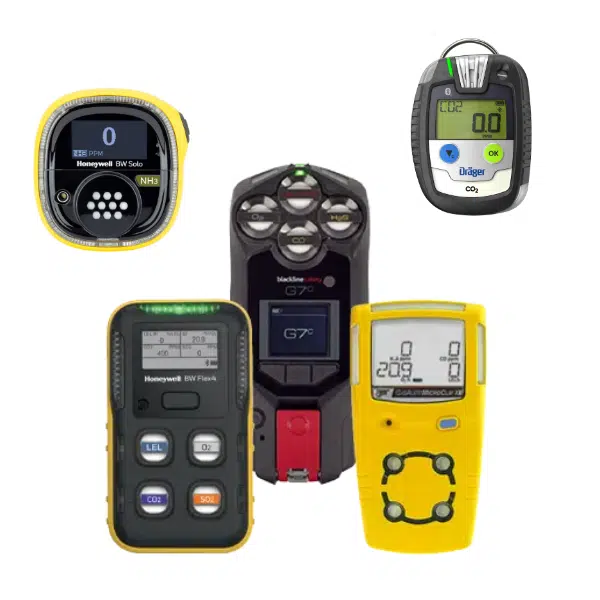
Portable gas detectors are designed to be worn or carried by workers during the day. They provide real time, personal monitoring and are particularly valuable for tasks that involve movement between different areas. These devices are commonly used in industries such as construction and utilities. Fixed gas detection systems are installed in specific locations to provide continuous 24/7 monitoring of an area. They are ideal for environments where gas hazards are constantly present or where a leak could occur at any time. Fixed systems can be integrated with alarms to trigger immediate responses in the event of a gas release.
View our gas detection range
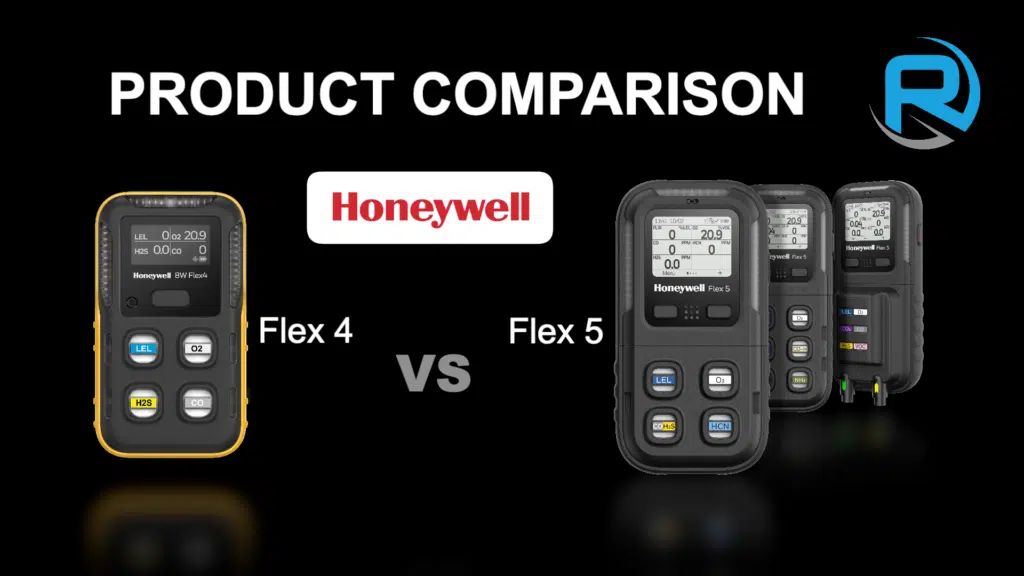
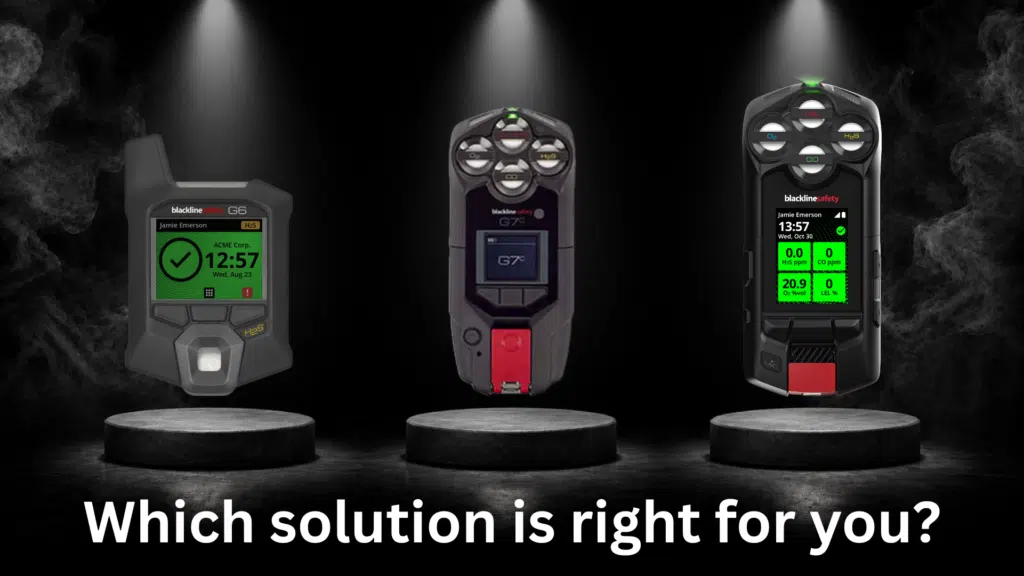
Rockall Safety work with some of the biggest names in gas detection. We work with Honeywell, Drager, Crowcon, MSA, Teledyne, Blackline Safety and more. Honeywell recently awarded us as the biggest distributor of Honeywell portable gas detectors in Europe.
View our range here: Gas Detection | Rockall Safety