





What is Nitric Oxide (NO)?
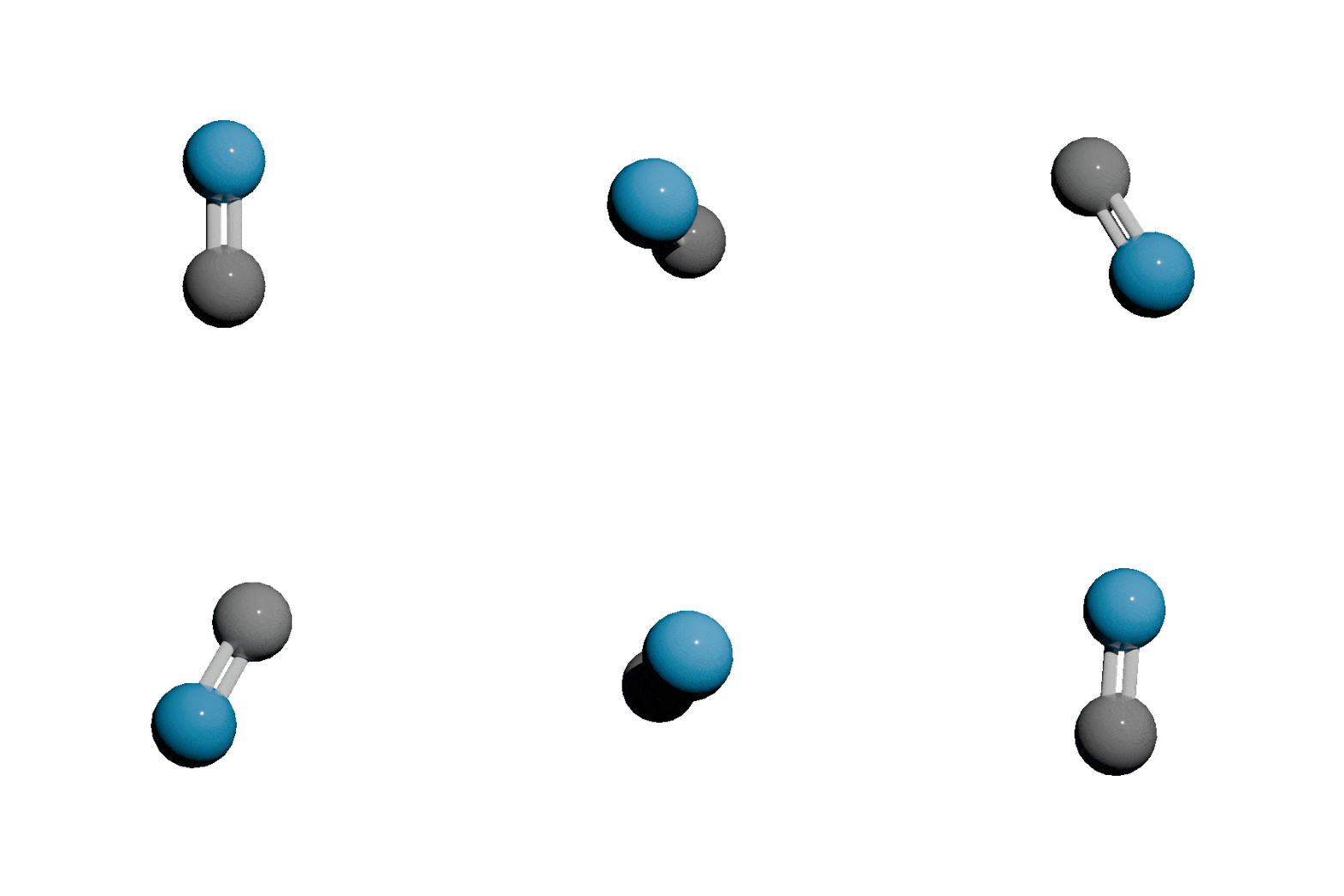
Chemically, it is a free radical, meaning it contains an unpaired electron, which contributes to its reactivity. In the atmosphere, nitric oxide is primarily produced through combustion processes, such as vehicle engines, power stations and industrial activity, where it forms part of the broader family of nitrogen oxides (NOₓ).
Once released, it can rapidly oxidise to nitrogen dioxide (NO₂), contributing to air pollution and the formation of ground-level ozone. In contrast, within the human body, nitric oxide functions as an essential signalling molecule, regulating processes such as blood vessel dilation, immune response and neurotransmission.
Where is Nitric Oxide found?
Nitric oxide is found in both natural and human-made environments, reflecting its versatile formation pathways. In the atmosphere, it is commonly produced during high-temperature combustion processes, such as those occurring in vehicle engines, power plants, and industrial furnaces. These emissions are a significant source of nitrogen oxides (NOₓ), contributing to air pollution, acid rain, and the formation of ground-level ozone. Natural sources also exist: lightning strikes can generate nitric oxide through the rapid oxidation of atmospheric nitrogen, and certain microbial processes in soils and water bodies release NO as part of the nitrogen cycle.
Health Risks Relating to Nitric Oxide
Exposure to nitric oxide can have a range of health effects depending on the concentration and duration of contact. At low environmental levels, such as those encountered in ambient air near traffic or industrial areas, NO itself is relatively short-lived and less directly harmful; however, it rapidly oxidises to nitrogen dioxide (NO₂), which is a more potent respiratory irritant. Inhalation of elevated concentrations of NO can irritate the mucous membranes of the eyes, nose, and throat, and may cause coughing, shortness of breath, or chest discomfort.
Prolonged or high-level exposure can have more serious consequences. Nitric oxide can react in the lungs to form reactive nitrogen species, potentially contributing to oxidative stress and inflammation in respiratory tissues. In occupational settings, where exposure levels may be significantly higher, there is a risk of respiratory distress, reduced lung function, and aggravation of pre-existing conditions such as asthma or chronic bronchitis. Additionally, NO can interact with haemoglobin in the blood to form compounds that interfere with oxygen transport if concentrations are sufficiently high, posing systemic health risks.
Drager PAC 8000 (NO)
The Dräger PAC 8000 NO is a portable, single-gas detector designed to provide reliable personal protection against nitric oxide exposure in industrial and confined-space environments. Lightweight and compact, it can be worn on clothing or a belt, ensuring continuous monitoring of the air immediately surrounding the wearer.
The device features a clear digital display that shows real-time NO concentrations, as well as audible, visual, and vibration alarms to alert users when levels exceed predefined safety limits. Its robust construction makes it resistant to dust, water, and mechanical stress, allowing operation in demanding conditions.
For more information, click here: Dräger PAC 8000 Single Gas Detector | Rockall Safety

