



What is Ozone?
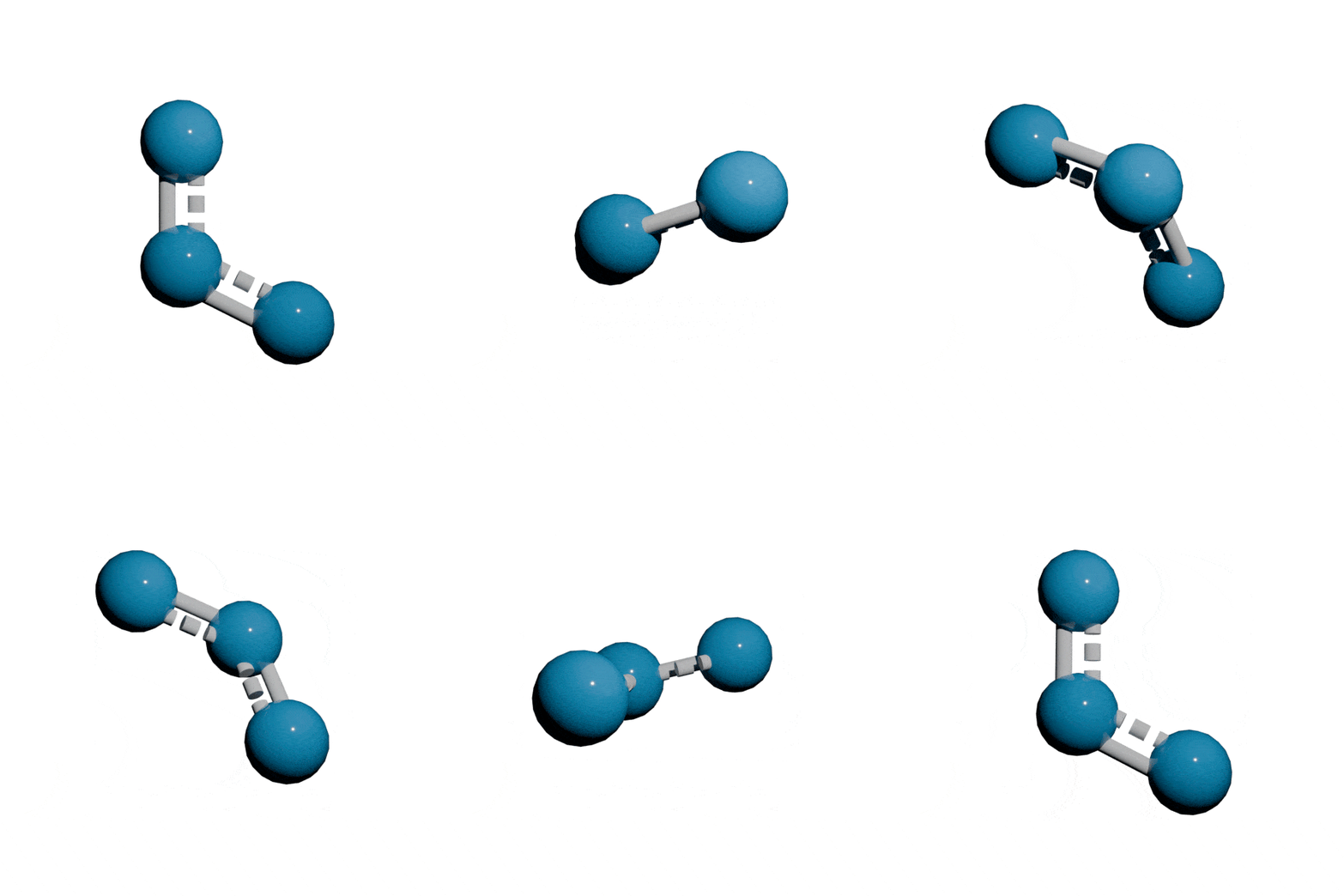
Ozone (O₃) is a pale blue, highly reactive gas composed of three oxygen atoms, making it a powerful oxidising agent. It occurs naturally in the Earth’s stratosphere, where it forms the ozone layer, a critical protective barrier that absorbs harmful ultraviolet radiation from the sun. At ground level, however, ozone is considered a pollutant and is produced through complex photochemical reactions involving sunlight, nitrogen oxides, and volatile organic compounds.
Due to its strong oxidative properties, ozone is used industrially for disinfection, water treatment, and certain manufacturing processes.
Where is Ozone Found?
Ozone (O₃) is found in both the Earth’s upper and lower atmosphere, but its location determines whether it is beneficial or harmful. In the stratosphere, roughly 10 to 50 kilometres above the Earth’s surface, ozone forms the ozone layer, which plays a crucial role in absorbing the sun’s ultraviolet radiation and protecting living organisms from its damaging effects.
At ground level, ozone is typically found as a secondary pollutant, formed when nitrogen oxides and volatile organic compounds react in the presence of sunlight, often in urban and industrial areas.
Heath Risks Related to Ozone
Ozone (O₃) poses significant health risks to humans when inhaled, primarily due to its strong oxidative properties that can irritate and damage respiratory tissues. Exposure to elevated ozone levels can lead to symptoms such as coughing, throat irritation, chest tightness, and shortness of breath. Prolonged or repeated exposure may exacerbate pre-existing respiratory conditions, including asthma, bronchitis, and chronic obstructive pulmonary disease (COPD), and can reduce lung function over time.
Additionally, ozone can increase susceptibility to respiratory infections and may cause inflammation in the airways. Because ozone is a colourless gas at ground level and its presence is not easily detectable by smell at hazardous concentrations, monitoring and controlling exposure in urban, industrial, and indoor environments are essential to protect human health.
Honeywell BW Solo (Ozone O3)
The Honeywell BW Solo O₃ is a portable single-gas detector specifically designed to monitor ozone concentrations in real time, providing reliable protection for personnel in industrial and laboratory environments. The device continuously measures ambient ozone levels and issues immediate alerts through audible, visual, and vibrational alarms when concentrations exceed safe limits.
Its compact, lightweight design allows for easy wearing on clothing or equipment, ensuring constant monitoring during work in areas where ozone is generated or used. With long battery life, simple operation, and compliance with safety standards, the BW Solo O₃ offers an effective and practical solution for safeguarding workers from the respiratory and oxidative hazards associated with ozone exposure.
For more information, click here: BW Solo Single Gas Detector | Rockall Safety

