

Introduction
The agriculture industry, also known as the agricultural sector or agribusiness, encompasses the production, processing, and distribution of food, fiber, and other products derived from plants and animals. It is a cornerstone of the global economy, playing a role in feeding the world’s population, providing raw materials for various industries, and supporting rural economies.
Gas detection in the Agriculture industry
The agriculture industry covers a wide range of activities involved in producing food, materials, and other essential products. Each area has its own processes, environments, and potential safety risks, including exposure to hazardous gases.
Crop production focuses on growing plants for food, fibre, and industrial use. This includes cereals, fruits, vegetables, oilseeds, and crops such as cotton and tobacco. Gases can be present during activities like fertiliser application, grain storage, and use of fuel-powered machinery.
Livestock farming involves raising animals such as cattle, sheep, pigs, and poultry for meat, milk, eggs, and wool. Harmful gases like ammonia and hydrogen sulphide can build up in animal housing, slurry pits, and manure storage areas, making gas monitoring essential for worker and animal safety.
Agroforestry and forestry combine farming with the management of trees for timber, paper, and other products. Workers may be exposed to exhaust gases from machinery or low-oxygen environments in confined or enclosed spaces, particularly during processing and storage activities.
Gases to be aware of

Ammonia
Ammonia is produced on a large scale using the Haber–Bosch process, which combines nitrogen and hydrogen to meet agricultural demand. It is then used directly or converted into common fertilisers such as anhydrous ammonia, urea, ammonium nitrate, and ammonium sulphate, all of which are widely applied to improve soil fertility and crop yields.
Methane
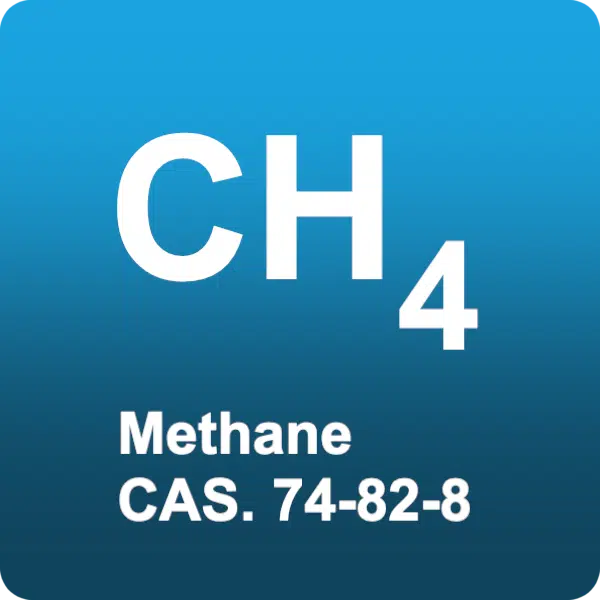
Methane is commonly produced in agriculture through livestock farming and waste management processes. Ruminant animals such as cattle, sheep, and goats generate methane during digestion through enteric fermentation, making livestock farming a significant source of methane emissions.
Gas detectors suitable for the Agriculture industry
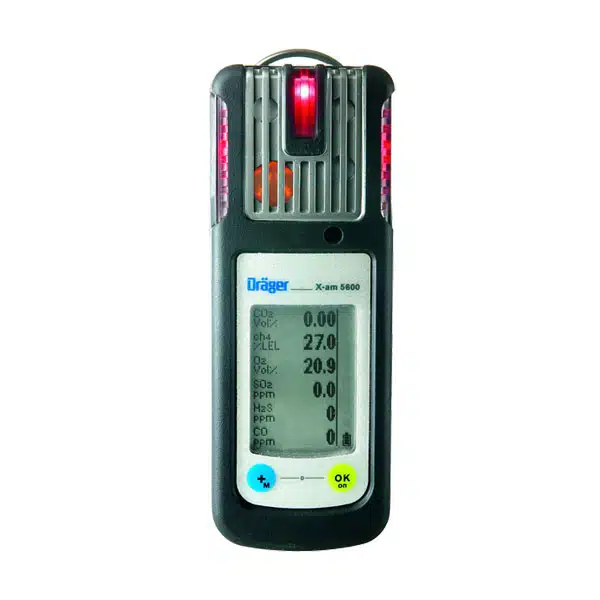
Drager X-am 5600 Multi Gas Detector
The Dräger X-am 5600 is the ideal gas detector for the agricultural industry, providing protection against the key gas hazards commonly found on farms and estates. With the ability to monitor Oxygen (O₂), Carbon Monoxide (CO), Hydrogen Sulphide (H₂S), Ammonia (NH₃) and Methane/Combustible Gases (%LEL), it is perfectly suited for applications such as slurry pits, manure stores, livestock housing, sheep sheds and grain storage facilities.
Click here for more information: Dräger X-am 5600 Multi-Gas Detector | Rockall Safety
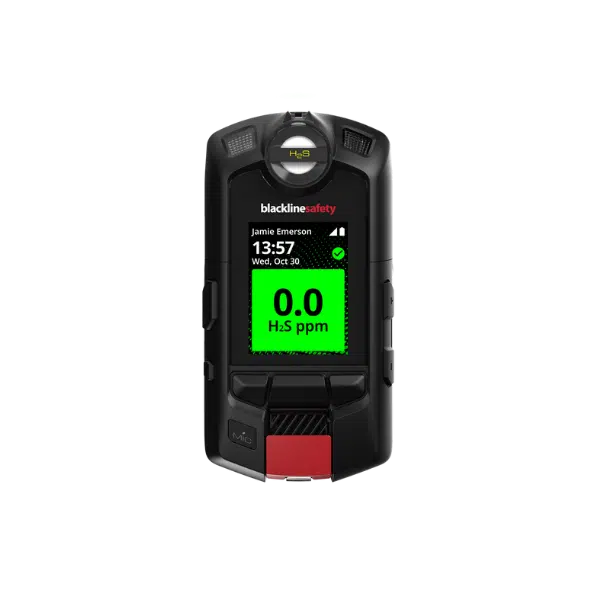
Blackline Safety G8 Multi Gas Detector
Similar to the Drager 5600, the Blackline G8 is an excellent gas detection solution for the agricultural industry, offering reliable protection against gas hazards found across farms and estates. With the ability to detect Oxygen (O₂), Carbon Monoxide (CO), Hydrogen Sulphide (H₂S), Ammonia (NH₃) and Methane/Combustible Gases (%LEL), it provides multi-gas monitoring in one connected, wearable device.
For more information, click here: Blackline G8 Multi-Gas Pumped Detector | Rockall Safety
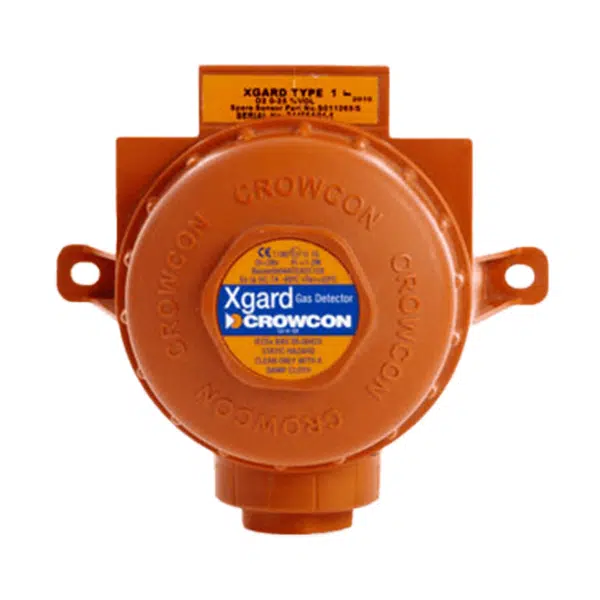
Crowcon Xgard Fixed Gas Detector
The Crowcon Xgard Fixed Gas Detector provides a reliable solution for the continuous monitoring of ammonia (NH₃) and methane (CH₄), making it particularly well suited to the agricultural industry. Available in flameproof, intrinsically safe and safe area configurations, the Xgard offers the flexibility to meet a wide range of installation requirements while delivering dependable long-term performance.
For more information, click here: Crowcon Xgard Fixed Gas Detector | Rockall Safety