



What is a Fume Hood?
A fume hood is a local exhaust ventilation system designed to control and remove hazardous airborne substances at source. It works by drawing air away from the user and the working area, capturing fumes, vapours, gases, dusts, and aerosols before they can disperse into the surrounding environment. Typically used when handling volatile, toxic, corrosive, or flammable substances, fume hoods are common in laboratories, pharmaceutical production, chemical manufacturing, research facilities, and certain industrial and wastewater applications.
Unlike general ventilation systems, which dilute contaminants once they have spread, fume hoods provide an effective engineering control by capturing contaminants at the point of release.
Risks associated with Gas Leaks
If a gas leak occurs and no fume hood is in place, the risks can escalate quickly because there is nothing to capture or control the gas at source. Instead, the gas can accumulate and spread throughout the workspace, increasing exposure for anyone in the area.
From a health and safety perspective, workers may inhale toxic or asphyxiant gases, which can cause symptoms ranging from headaches and dizziness to serious respiratory injury, loss of consciousness, or even fatalities, depending on the gas and concentration. Some gases are odourless or colourless, meaning a leak may go unnoticed until harmful levels are reached.

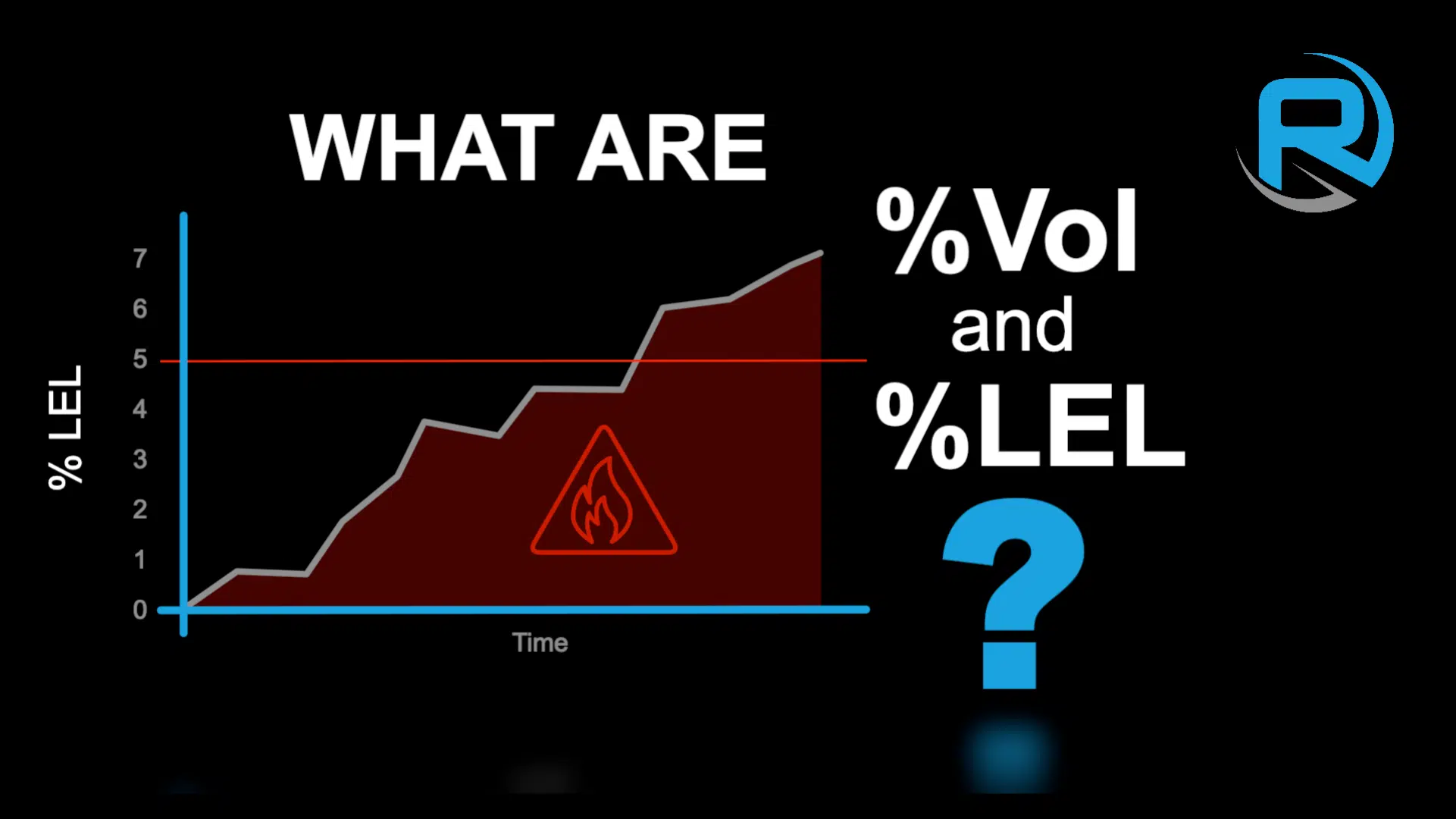
There is also a significant fire and explosion risk. Flammable gases can build up in enclosed or poorly ventilated spaces, and even a small ignition source such as electrical equipment or static discharge can lead to fire or explosion if gas concentrations reach their lower explosive limit (LEL).
Is Gas Detection Needed?
A fume hood acts as a preventative control. It continuously captures and removes hazardous gases, vapours, and fumes at the point where they are released, preventing them from spreading into the wider workspace. This reduces everyday exposure during normal operations and helps maintain safe air quality for people working nearby.
A gas detector acts as a monitoring and warning system. It continuously measures gas concentrations in the air and provides an alert if levels rise above safe thresholds. This is particularly important because some gases are colourless or odourless, and a leak may not be immediately obvious, even with ventilation in place.
Fume hoods and gas detectors work together effectively because the hood removes hazardous gases at source, while the detector monitors air quality and provides early warning of leaks, creating a layered safety system.
Recommended Product: Teledyne OLCT 100
The Teledyne OLCT 100 is particularly well-suited for use with fume hoods due to its compact, unobtrusive design, which allows it to be installed close to the hood without interfering with laboratory workflows or equipment. Its small, lightweight build makes it easy to position near the exhaust or working area of the hood, ensuring effective monitoring of gases as they are extracted.
The OLCT 100 provides reliable, continuous detection of flammable, toxic, and oxygen-sensitive gases, giving immediate alerts if hazardous substances such as solvents, ammonia, or other reactive chemicals are present.
For more information, click here: Teledyne OLCT 100 Fixed Gas Detector

