



Introduction
Gas detectors play a key role in maintaining safety in environments where hazardous gases may be present. Whether it’s an industrial facility, a mining operation, or a confined space like a storage tank or sewer line, the presence of toxic or combustible gases poses serious risks to health and safety. These devices are designed to alert users to dangerous concentrations of gases, allowing them to take timely action and prevent accidents, injuries, or fatalities.
When it comes to choosing the right gas detection equipment, one of the first decisions you’ll face is whether to use a single gas detector or a multi-gas detector. Each type has its strengths and is suited to different situations and environments.
In this blog, we’ll break down the key differences between single and multi-gas detectors, highlight the advantages and limitations of each, and help you determine which option is best suited to your specific needs.
What is a Single Gas Detector?
A single gas detector is a device designed to monitor and alert users to the presence of only one specific type of gas. These detectors are typically used in environments where the gas hazard is known and limited to a single substance. They offer a straightforward solution for targeted gas detection and are commonly found in industries or job roles where specific gas risks are part of routine operations.
For example, HVAC technicians often use single gas detectors to monitor carbon monoxide levels while servicing heating systems. In another common use case, workers entering confined spaces, such as tanks, tunnels, or underground vaults, may rely on oxygen detectors to ensure that breathable air is present and that oxygen levels are within a safe range.
Single gas detectors come with several advantages. They are generally more affordable than multi-gas detectors, making them a cost-effective option for users with focused detection needs. Their lightweight and compact design makes them easy to carry and wear, especially for mobile workers or those operating in tight spaces. In addition, single gas detectors are simpler to use and maintain, requiring less frequent calibration and offering a more user-friendly experience overall.
However, these detectors also have limitations. The most significant is their inability to detect multiple gas hazards at once. This makes them unsuitable for environments where various gases may be present or where the nature of potential gas hazards is uncertain. In such situations, relying on a single gas detector could leave workers exposed to undetected dangers.
What is a Multi-Gas Detector?
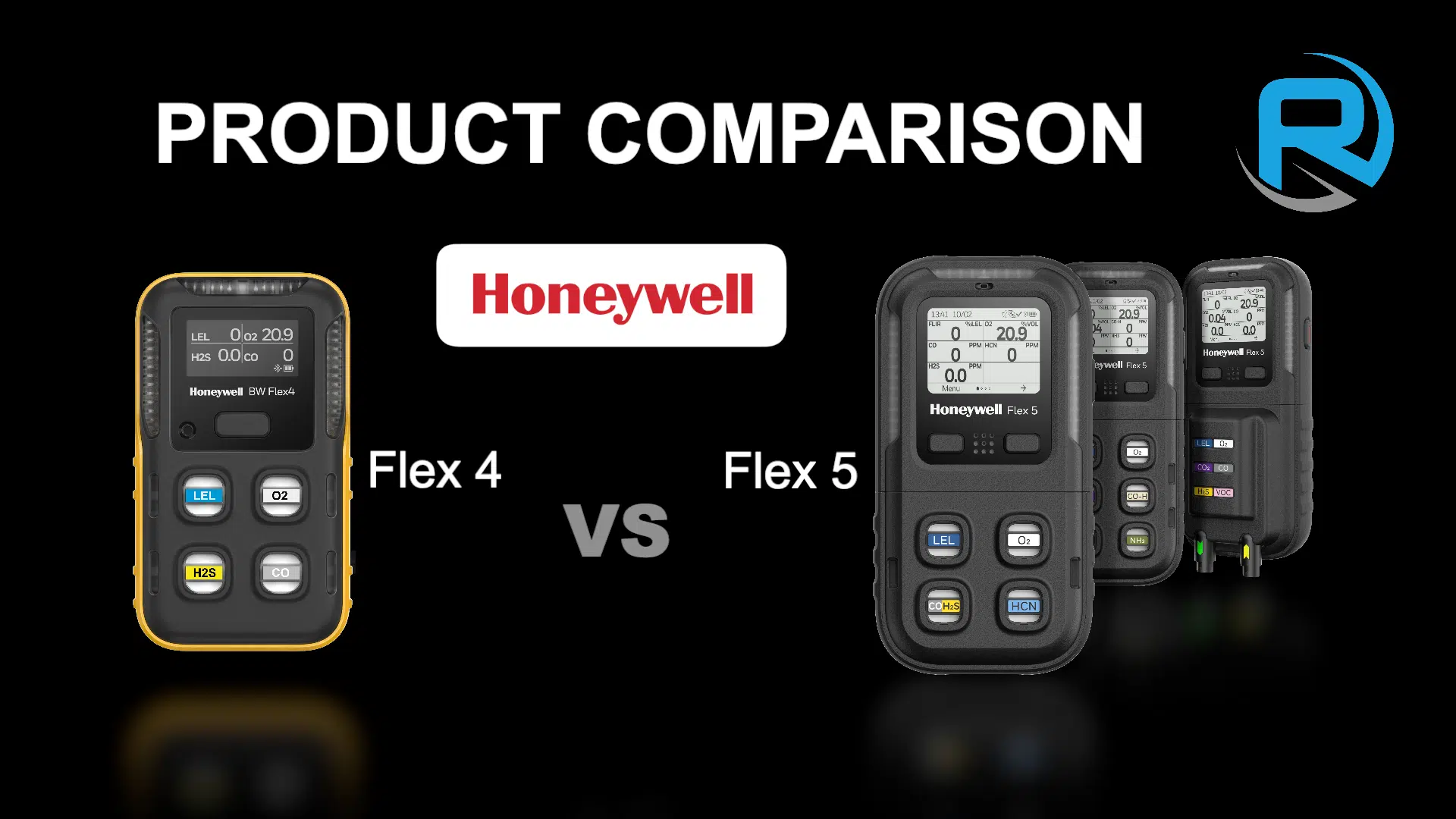
A multi-gas detector is a safety device designed to monitor multiple gases simultaneously, providing a more comprehensive assessment of air quality in potentially hazardous environments. The most common type is a 4-gas detector, which typically monitors oxygen (O₂), carbon monoxide (CO), hydrogen sulfide (H₂S), and combustible gases measured as Lower Explosive Limits (LELs). More advanced configurations, such as 5-gas detectors, or units with customisable sensors, allow for the detection of additional or specific gases depending on the application.
Multi-gas detectors are widely used in complex or unpredictable environments where multiple gas hazards may be present. Common use cases include industrial plants, where various chemical processes may release toxic or flammable gases; emergency response situations, where first responders need to quickly assess unknown hazards; and confined space entries, where atmospheric monitoring is required before and during entry to ensure worker safety.
These devices offer several advantages. By combining multiple sensors into a single unit, multi-gas detectors deliver comprehensive monitoring that enhances safety in environments with diverse or uncertain risks. This all-in-one capability reduces the need for multiple instruments and allows for faster decision-making when every second counts.
However, multi-gas detectors also come with certain trade-offs. They are generally more expensive than single gas models, both in terms of initial cost and ongoing maintenance. Additionally, they tend to be larger and heavier, and may require more training to operate due to their added features and sensor configurations. Despite these challenges, their ability to monitor several hazards at once makes them indispensable in high-risk work settings.
Which One is Right for You?
Choosing between a single gas and a multi-gas detector depends on the nature of your work environment and the specific hazards you’re likely to encounter. A single gas detector may be sufficient in controlled settings where the risk is limited to one known gas. For example, if your job involves monitoring carbon monoxide levels in boiler rooms or checking oxygen levels in confined spaces, a single gas device offers a simple, cost-effective solution without unnecessary complexity.
On the other hand, a multi-gas detector is the better choice when working in unpredictable or high-risk environments where multiple gas hazards could be present. This includes industrial facilities, chemical plants, construction sites, or during emergency response operations. In these situations, the ability to detect several gases at once provides a much higher level of safety and preparedness.
In some cases, a hybrid approach can offer the best of both worlds. For teams working across varied environments, it may make sense to equip different members with different types of detectors based on their specific roles. For instance, a supervisor or safety officer might carry a multi-gas detector to assess overall atmospheric conditions, while individual workers carry single gas detectors targeted to their primary risk exposure. This strategy can help balance safety, cost, and operational efficiency.
