



Top 5 Gas Safety Tips for the Workplace
Working with a variety of gases can be dangerous, especially if you don’t know how to detect / measure the concentration levels.
Below are the top 5 gas safety tips recommended by Rockall Safety:
1) Choose the correct gas detector for the risk
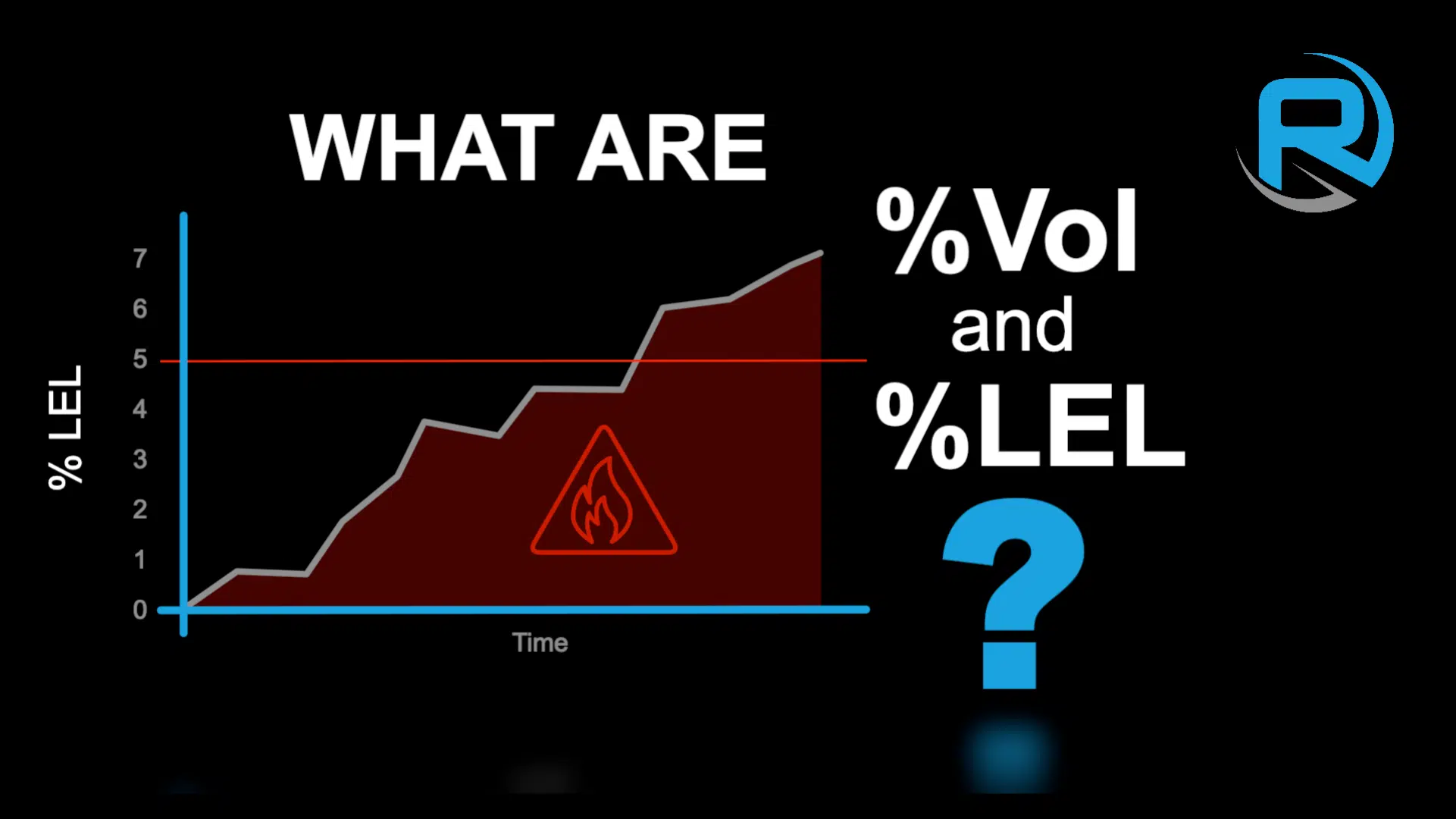
There are a range of gas detectors out there than use different sensor technology. Sensor technology includes LEL sensors, electrochemical sensors, PID sensors, infrared sensors. LEL sensors detect flammable gases, electrochemical sensors detect toxic gases, infrared sensors usually detect hydrocarbons but don’t get ‘poisoned’ so usually more expensive. You then have PID sensors that detect volatile organic compounds.
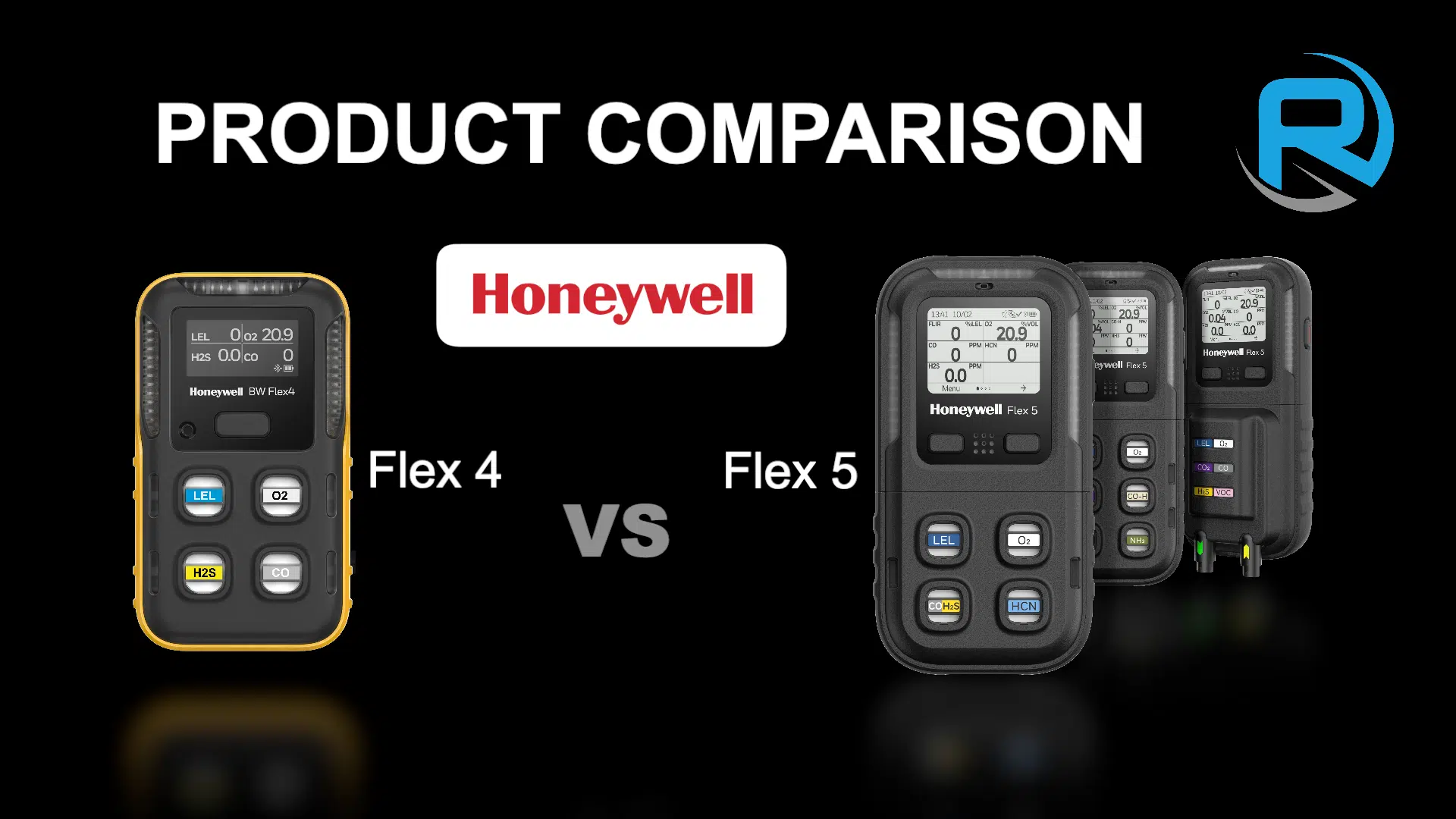
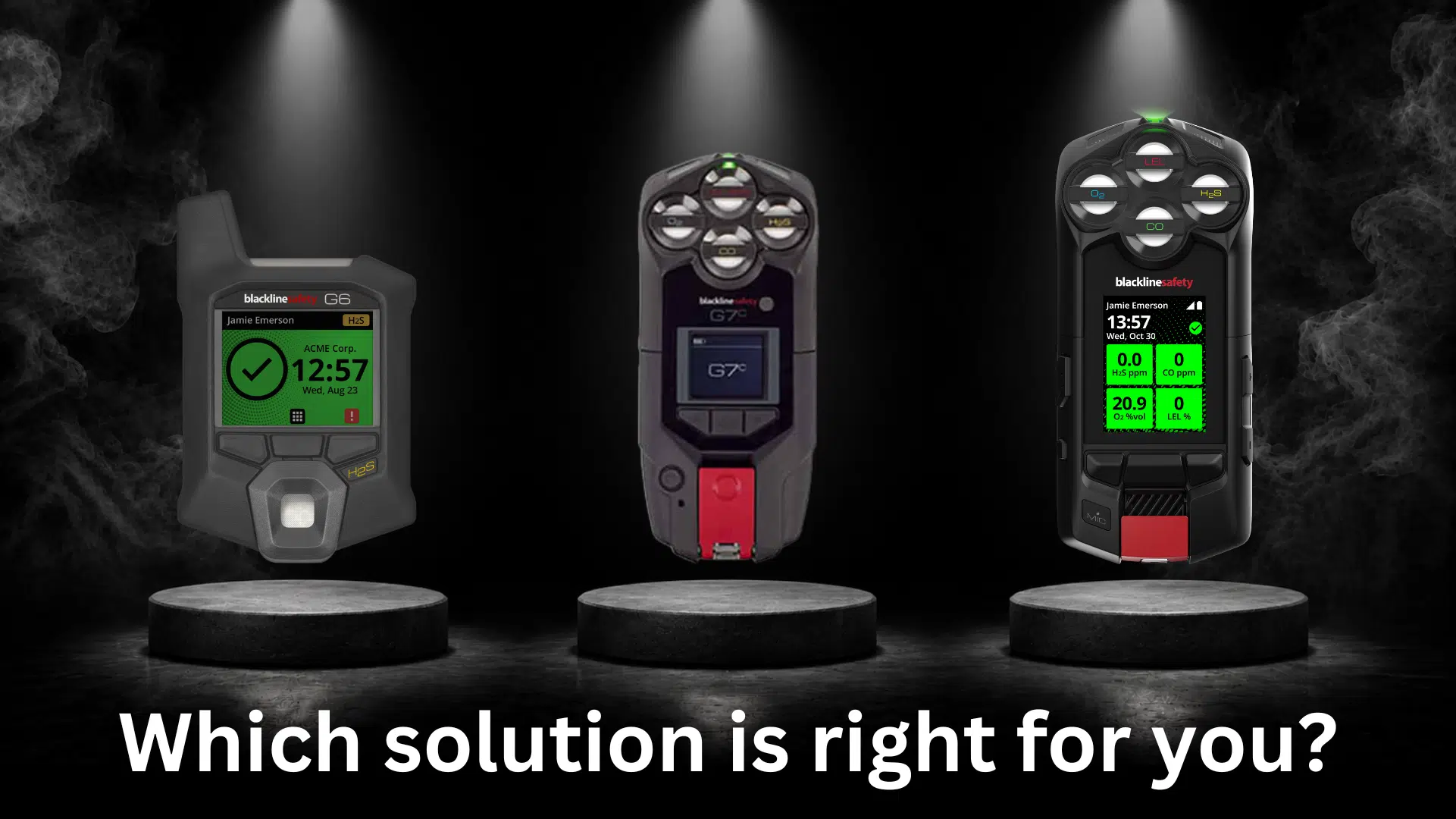
That is the sensor technology, you then have the type of gas detector. You have single gas detectors that detect one singular gas, you have multi gas detectors that usually detect 4 gases such as H2S, CO, O2 and LEL. You then have a PID gas detector that detects VOCs. Fixed gas detectors also vary in what they can detect.
2) Always bump test before use
3) Calibrate your gas detector in line with manufacturers recommendations
Sensors can drift due to exposure to gases, environmental conditions, and general wear, which may affect their ability to provide correct readings. Calibration resets the sensor response against a known standard using test gas. We recommend following the manufacturer’s guidance to ensure your gas detector will perform correctly when its needed.
4) Understand correct placement & use (if using fixed gas detection)
If you are choosing a fixed gas detector to help monitor dangerous gases, its important it is positioned in the correct place. Fixed detectors should be installed based on the specific properties of the gas being monitored, particularly its density compared to air. For example, heavier gases tend to settle at low level, so detectors should be positioned near the ground, while lighter gases rise and should be detected at higher points. They must also be located close to potential leak sources, such as valves, pipework, or process equipment, while avoiding obstructions that could restrict gas flow to the sensor.
5) Training
Training ensures that people using the product know how to use the device. Its important that the user knows how to carrying out bump tests and understanding when and how to calibrate the instrument, in line with manufacturer recommendations. Its also important that the user knows how the alarms work, so they know when the alarms go off to leave the area.
