



What does LEL mean? (Gas detection)
Why is LEL used?
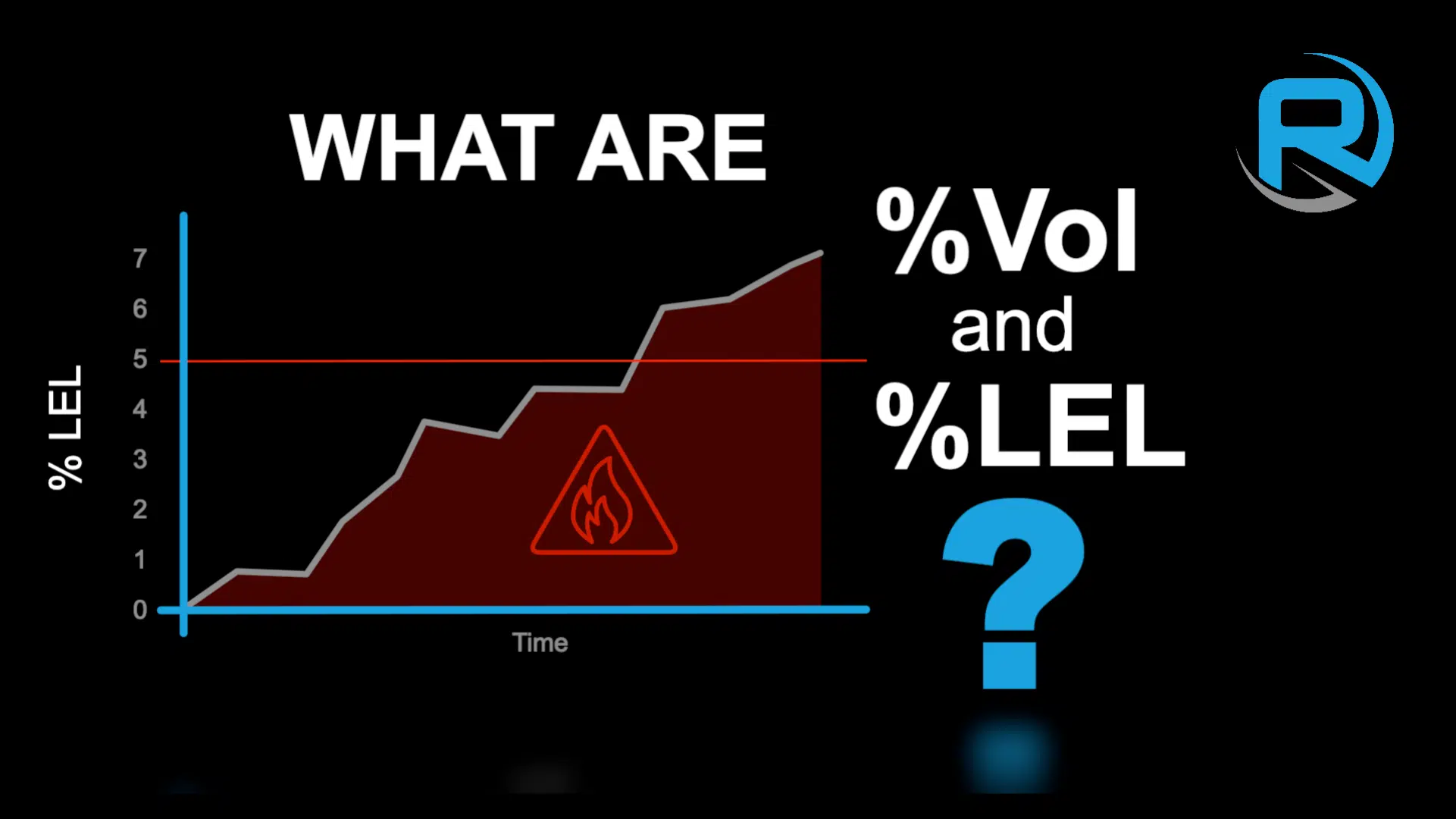
LEL sensors are used to detect flammable gases in the air before they reach a concentration that could become dangerous. Many gases that are commonly used or produced in industry can form an explosive atmosphere without being visible and some gases do not have a smell either.
LEL sensor sample the surrounding air and look for combustible gases such as methane, propane, hydrogen, or solvent vapours. These gases become a risk when they mix with air in the right proportions and meet an ignition source, which could be as small as a spark. Rather than waiting for a dangerous situation to develop, LEL sensors provide an early warning system. When gas levels start to rise, they trigger alarms at set thresholds so action can be taken before conditions become explosive.
What gases do LEL measure?
- Methane
- Ethane
- Propane
- Butane
- Pentane
- Hexane
- Heptane
- Octane
- Hydrogen
- Ethylene
- Propylene
- Butylene
- Methanol
- Ethanol
- Isopropanol (IPA)
- Butanol
- Acetone
- Methyl ethyl ketone (MEK)
- Toluene
- Xylene
- Benzene
