


What is the difference between filtered and non filtered LEL sensors?
Catalytic bead LEL sensors are widely used in portable gas detection because they offer reliable monitoring of combustible gases. Not all applications require the same level of protection which is why different sensor designs are used.
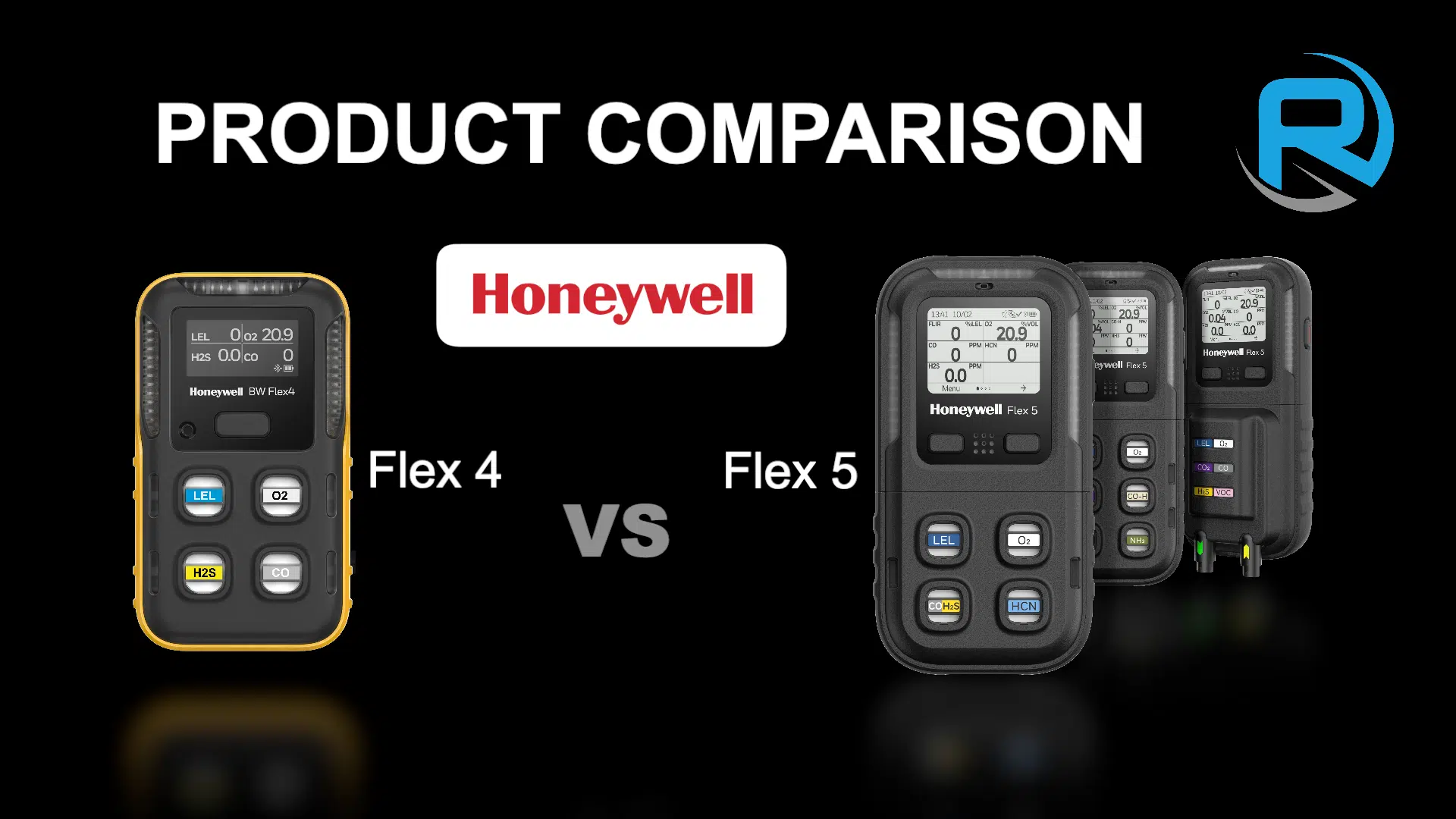
BW and RAE Systems Technologies by Honeywell portable safety gas detectors typically use a catalytic bead sensors. These sensors include a filter designed to prevent harmful molecules from entering the sensor cavity and contacting the heated refractory beads.
However, there is a trade off. In this blog, we will explain what the difference is between the two sensor types:
What is a filtered LEL sensor?
A filtered LEL (Lower Explosive Limit) sensor is a catalytic bead combustible gas sensor fitted with a silicone-resistant filter. This filter is designed to protect the sensor by preventing harmful molecules from reaching the sensing elements.
The trade off is that the filter limits which gases can reach the sensor. It allows smaller hydrocarbon molecules such as methane, ethane, propane, butane, pentane, hexane, and hydrogen to be detected, but it blocks larger, more complex molecules. Filtered LEL sensors are not suitable for detecting compounds such as alcohols, ketones, esters, or heavier hydrocarbons due to their molecular size.
What is a non-filtered (unfiltered) LEL sensor?
A non-filtered (unfiltered) LEL sensor is a catalytic bead combustible gas sensor without a protective silicone filter. Because there is no filter restricting gas entry, it can detect a wider range of combustible gases, including more complex hydrocarbons and alcohols such as ethanol and methanol.
They are generally not suitable for detecting combustible liquids with higher flash points (typically at or above 37.8°C / 100°F), such as diesel vapours or kerosene-based aviation fuels. While unfiltered sensors offer broader detection capability, they are more vulnerable to poisoning from contaminants.
