


Introduction
The global demand for cleaner energy sources has elevated the role of natural gas, with worldwide liquefied natural gas (LNG) consumption projected to exceed 700 million tons annually by 2040, representing a 90% increase from 2021. According to the 2022 LNG Outlook, the United States led global export growth with an additional 24 million tons per year, while China became the world’s largest LNG importer at 79 million tons per year.
UK LNG imports reached a record 25.6 billion cubic metres in 2022, a 74 per cent increase from the previous year. With substantial regasification infrastructure in place, the UK served as a key land-bridge for higher natural gas exports to Europe while continuing to meet domestic demand.
LNG liquefaction facilities require substantial capital investment and, one in operation, must carefully manage processes that involve the potential for gas leaks. The release of hazardous gases or compounds can pose serious risks to personnel, and because these gases are often flammable, the danger of fire or explosion is ever-present. To maintain safety, LNG facility owners and operators need reliable gas and flame detection systems capable of identifying harmful emissions early, before an incident occurs.
Protecting People & Operations
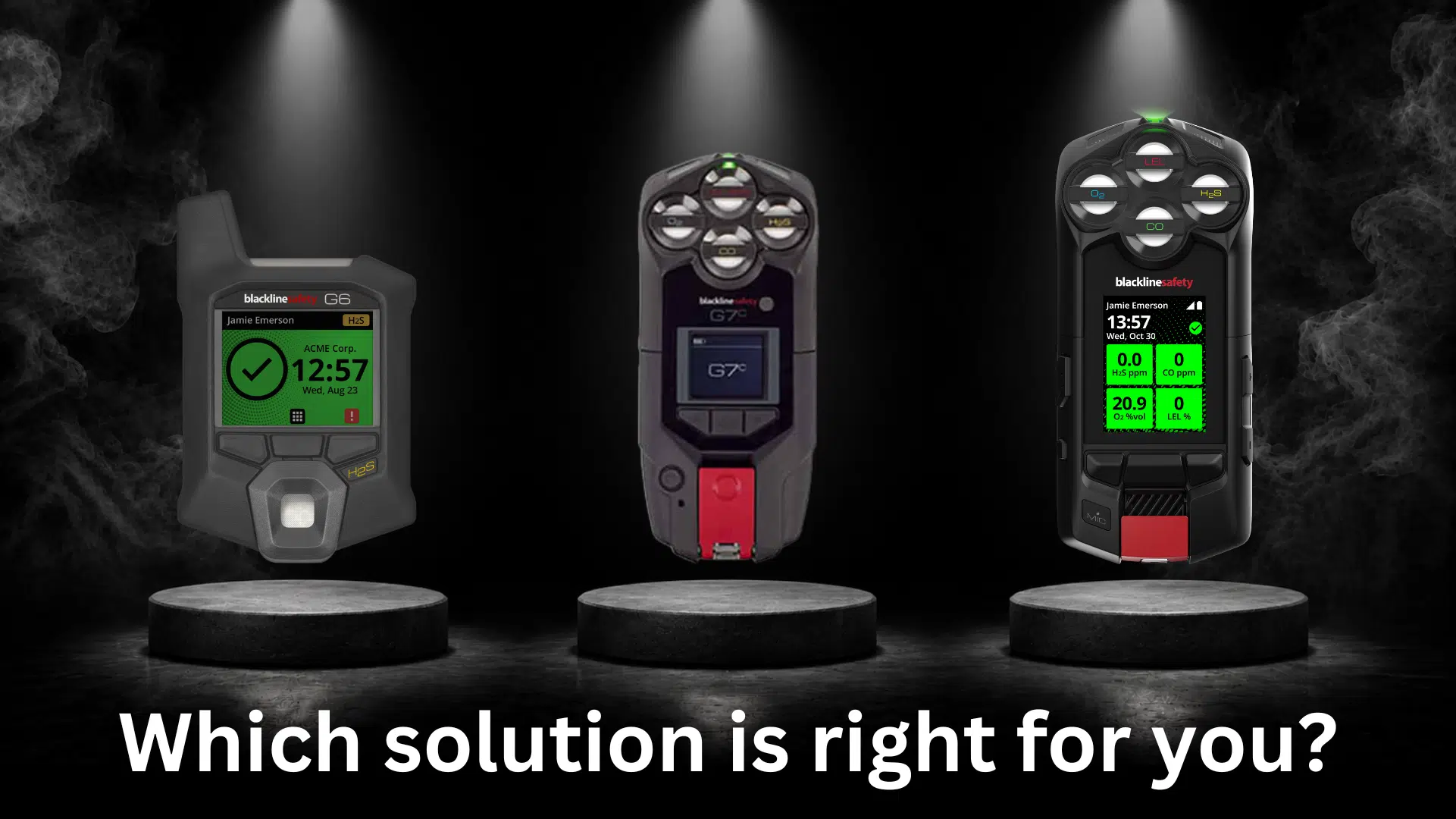
Rockall Safety offers a comprehensive range of portable and fixed gas detection systems, from compact, easy-to-use personal monitors to advanced, fully serviceable units with configurable gas detection options. These solutions deliver real-time visibility into worker safety and environmental conditions across LNG sites.
For larger-scale operations, Rockall Safety’s fixed and area monitoring systems are designed for robust, reliable detection even in challenging field conditions. Their advanced optical and infrared technologies provide fast response, high accuracy, and dependable operation across perimeter and fence-line areas, maintaining safety even through fog, dust, or harsh weather.
LNG Gas & Flame Hazards
- On-site hazards can include gases that cause asphyxiation.
- Extremely low temperatures during liquefaction can create freezing dangers.
- Vapour clouds formed as natural gas warms may become flammable.
- Refrigerants and treatment chemicals can also pose health risks.
Solutions for the LNG Industry
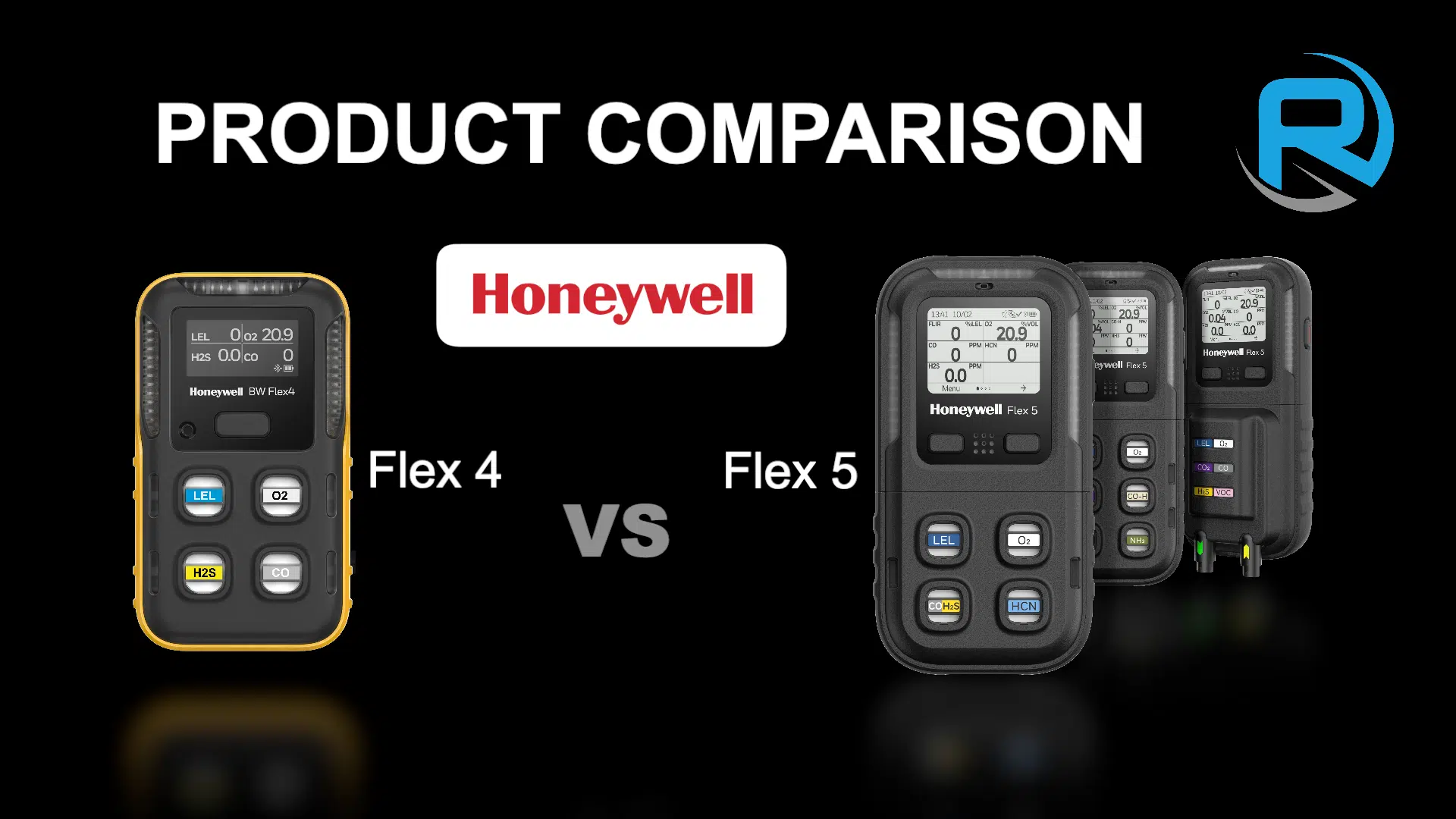
Rockall Safety has proudly maintained a strong partnership with Honeywell for more than 20 years, working closely to deliver reliable safety solutions across the energy sector. As the largest distributor of Honeywell portable gas detection equipment in the UK, Rockall Safety provides customers with trusted, high performance instruments designed to monitor and protect against gas hazards in any environments.
Safety in Action
Typical Honeywell Gas Detection Equipment Utilised Throughout the Liquefied Natural Gas Process.

