




Introduction
Car parks, particularly those that are enclosed or underground, can accumulate vehicle exhaust emissions. Unlike open-air environments, these spaces often rely on mechanical ventilation to disperse pollutants. When ventilation is inadequate or absent, harmful gases can accumulate to levels that pose a serious risk to human health. Among the various pollutants present, three gases are consistently of greatest concern: carbon monoxide (CO), nitrogen dioxide (NO₂), and nitric oxide (NO).

Carbon Monoxide (CO)
Carbon monoxide is a colourless, odourless gas produced by the incomplete combustion of fuels such as petrol, diesel, and liquefied petroleum gas. Its lack of sensory warning makes it particularly dangerous, as exposure can occur without any immediate awareness.
The danger of carbon monoxide lies in its interaction with the human body. Once inhaled, CO binds to haemoglobin in the blood far more readily than oxygen, significantly reducing the blood’s ability to transport oxygen to vital organs. Even relatively low concentrations can cause symptoms such as headaches, dizziness, and nausea, while higher concentrations may lead to loss of consciousness or death.
Car parks provide an ideal environment for carbon monoxide accumulation. Vehicles frequently idle, engines are often cold when started, and traffic density can be high during peak periods. In enclosed or underground car parks, these emissions cannot disperse naturally, making carbon monoxide the primary gas of concern and the principal driver for gas detection and ventilation control systems.
Nitrogen Dioxide (NO₂)
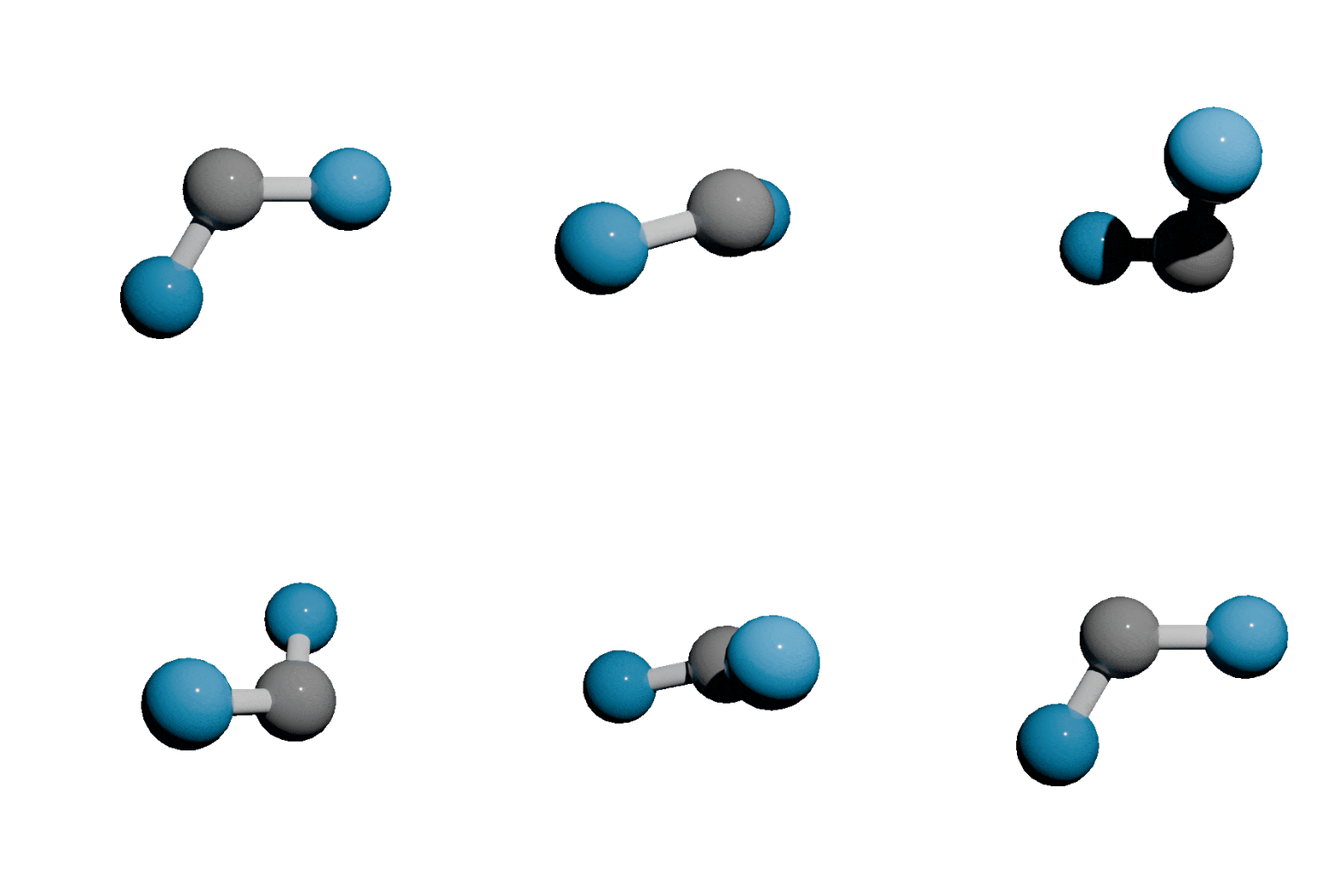
Nitrogen dioxide is a toxic, highly reactive gas formed during high-temperature combustion processes, particularly in diesel engines. It is easily recognisable by its sharp, acrid odour and is widely regarded as one of the most harmful traffic-related air pollutants.
From a health perspective, nitrogen dioxide primarily affects the respiratory system. Short-term exposure can inflame the lining of the lungs, while prolonged exposure can reduce the function of the lung. Individuals with asthma or other pre-existing respiratory conditions are especially vulnerable.
NO₂ is commonly found in car parks due to the continued presence of diesel-powered vehicles, including cars, vans, and service vehicles. In spaces with limited ventilation, nitrogen dioxide concentrations can rise quickly, particularly during periods of high vehicle turnover. For this reason, NO₂ monitoring is often required alongside carbon monoxide detection in modern car park safety systems.
Nitric Oxide (NO)
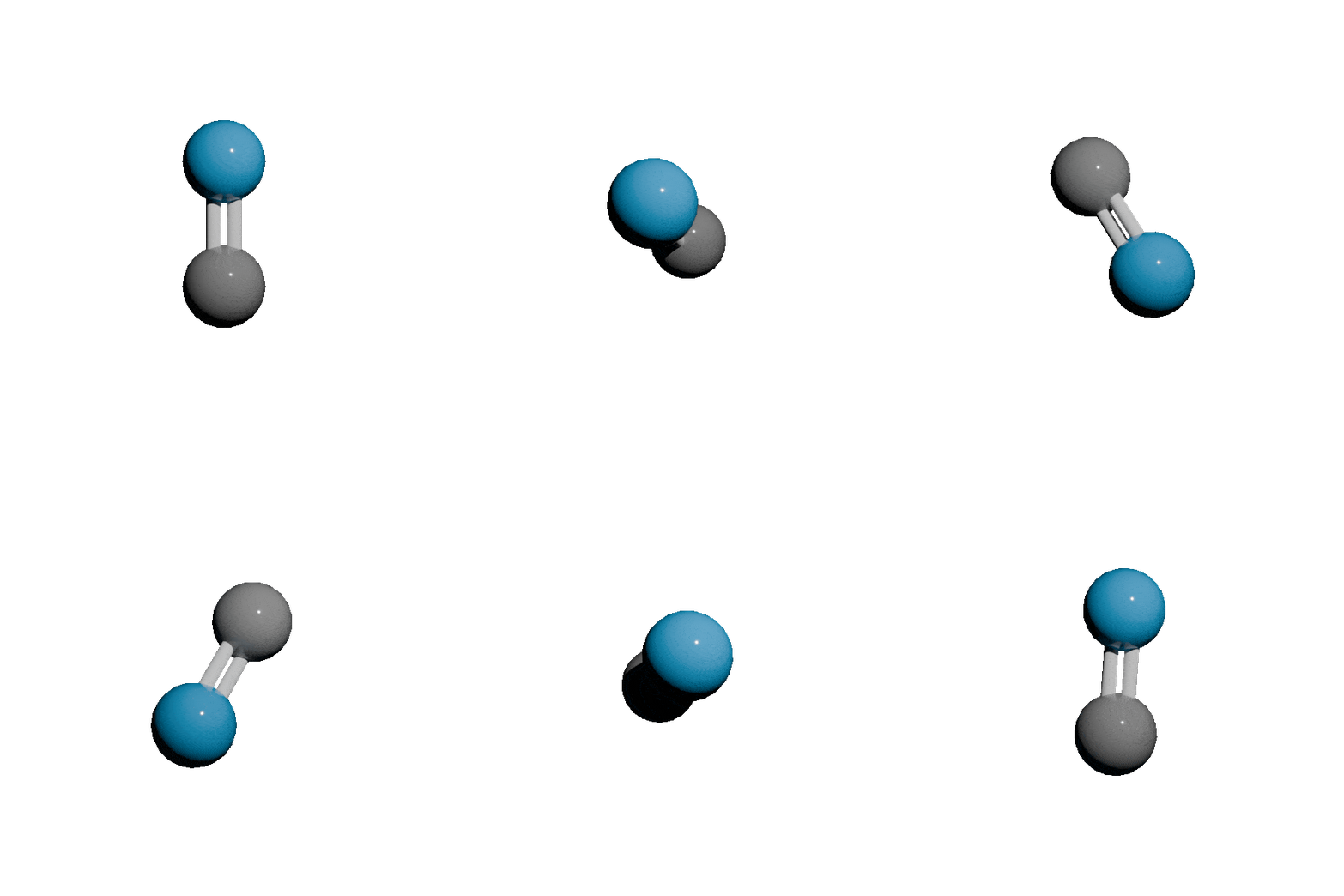
Nitric oxide is a colourless gas produced as a direct by-product of fuel combustion in vehicle engines. NO is less toxic than nitrogen dioxide.
The primary concern with nitric oxide is its behaviour once released into the atmosphere. NO readily reacts with oxygen to form nitrogen dioxide, thereby contributing indirectly to the overall toxicity of the environment. As a result, increased levels of NO can lead to a delayed increase in NO₂ concentrations, even after traffic levels have reduced.
In car parks, nitric oxide is continuously emitted alongside other exhaust gases. In confined spaces, limited air exchange allows NO to persist long enough for this chemical conversion to occur, increasing the need to monitor this gas.
Product Recommendation: Crowcon SMART P
The SMART P detectors have been specifically designed for car parks, offering precise measurement of carbon monoxide, nitrogen dioxide, and petrol vapours. While the SMART P-1 provides single-gas detection, the SMART P-2 allows for simultaneous monitoring of carbon monoxide and either nitrogen dioxide or petrol vapours, delivering enhanced protection against noxious fumes. Both models feature RS485 communication as standard and are engineered to comply with the latest European Standard for car park gas detection (EN 50545-1:2011), ensuring full regulatory coverage. Built for the unique conditions of car parks, the SMART P series operates reliably across a temperature range of -20°C to +50°C, combining robustness, precision, and safety in one package.
For more information, click here: Crowcon SMART P Fixed Gas Detector | Rockall Safety

